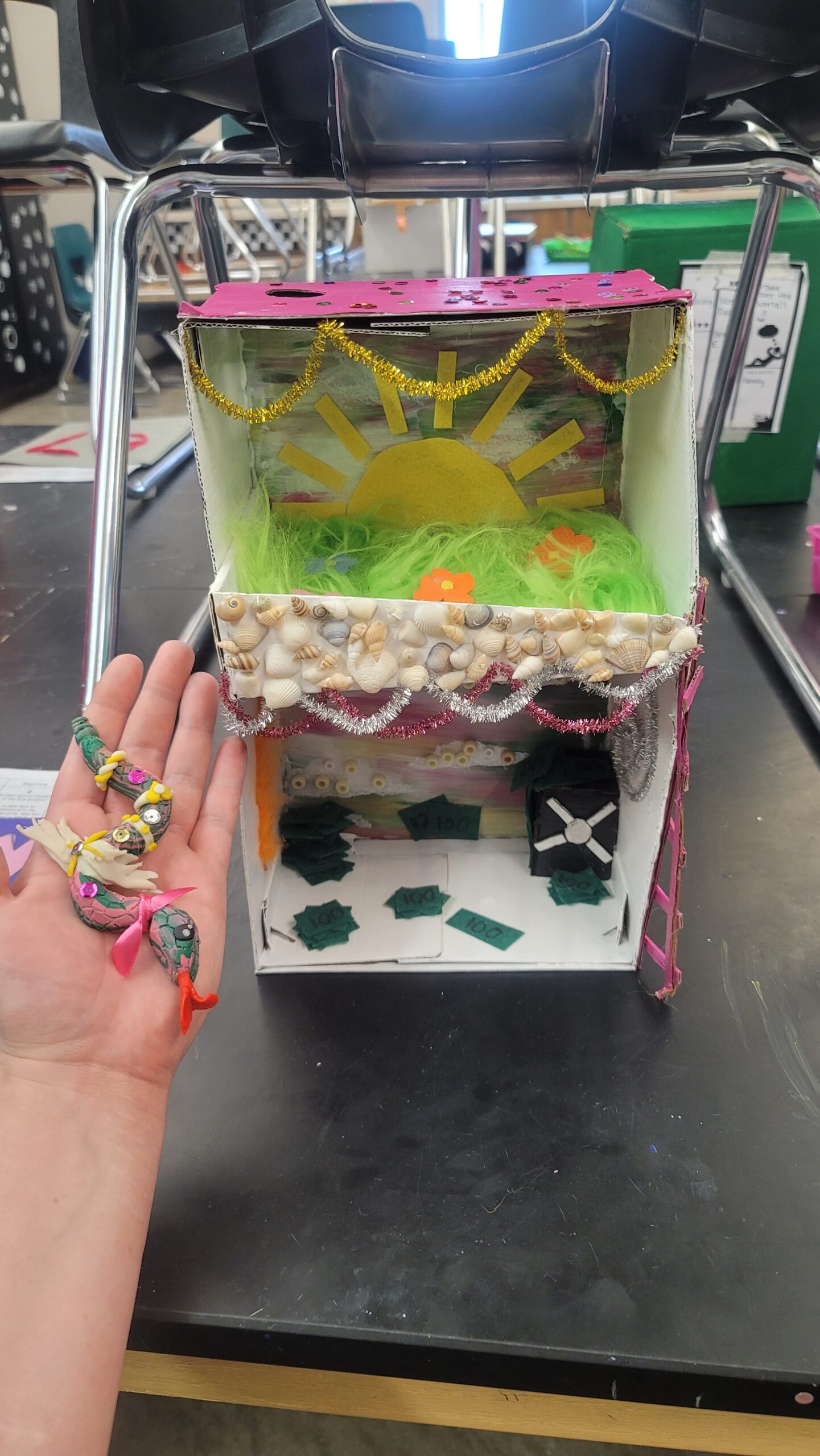
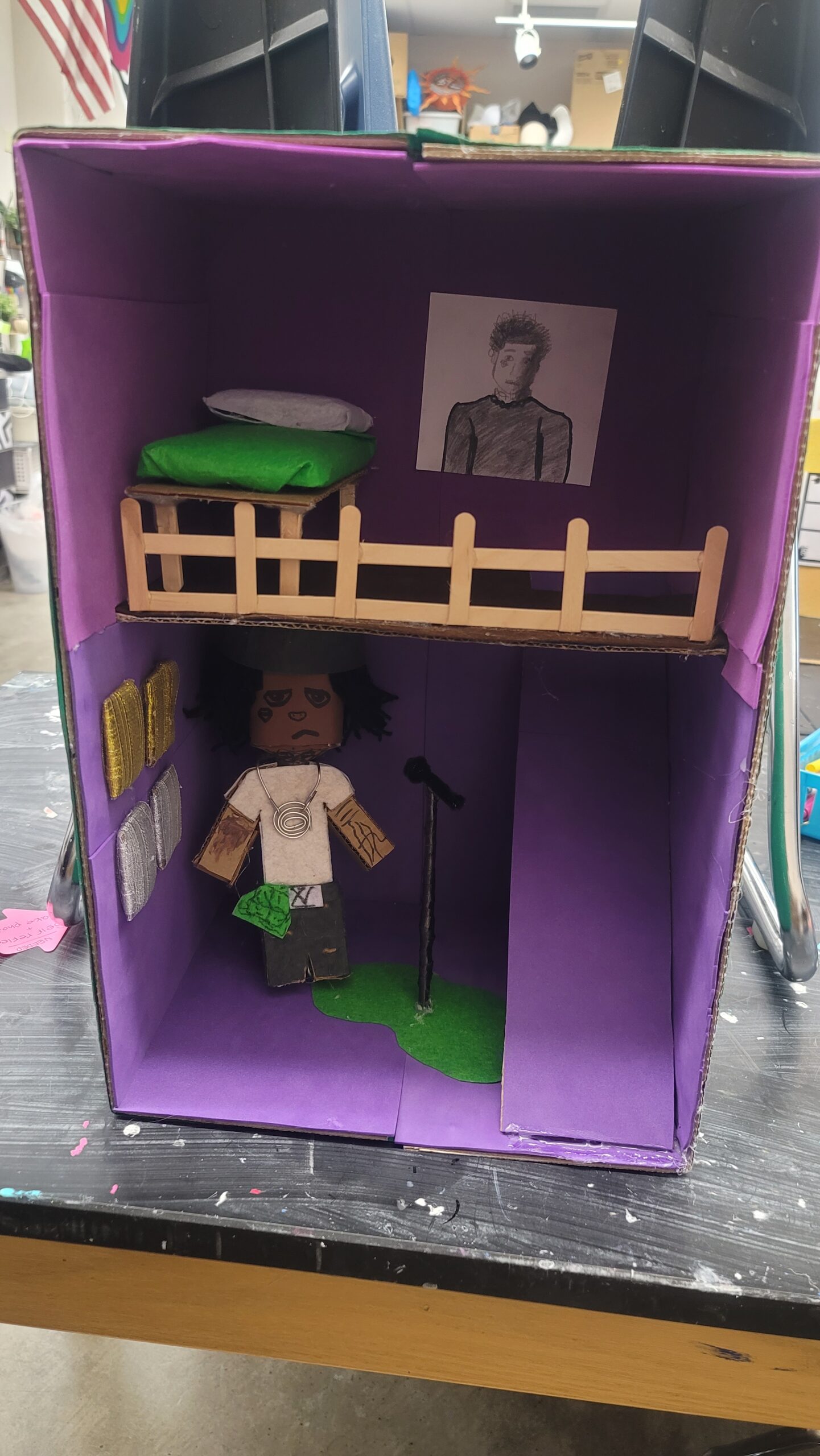
What is it? In this project…Students will sculpt a companion, give it a personality, and then construct a place for it to live where it can belong. Use the Principle:Unity to unite your place and your companion.
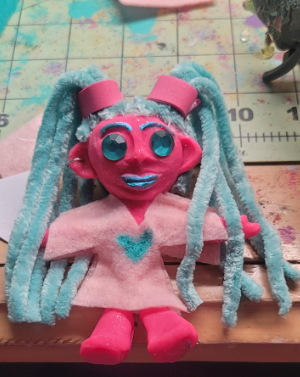
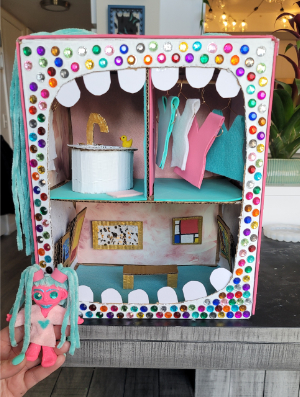
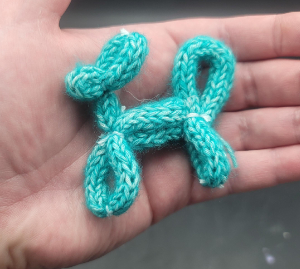
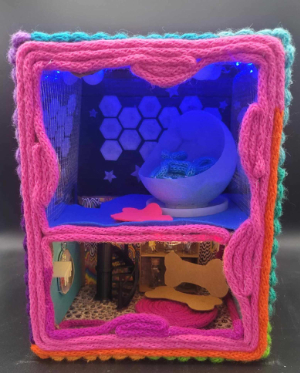
Why are we doing it? We will practice basic and complex construction skills. Learn how artists use Unity in their artwork to further their message, and learn from our classmates by sharing with one another the process and ideas behind their work. Also, if we can practice creating a sense of belonging for an inanimate object, we can use these skills to create a more genuine sense of belonging for those around us.
Teacher Quality Standards
Teacher Quality Standard I– Teachers demonstrate mastery of and pedagogical expertise in the content they teach. The teacher is an expert in literacy and mathematics and is knowledgeable in all other content that he or she teaches (e.g., science, social studies, arts, physical education, or world languages). The secondary teacher has knowledge of literacy and mathematics and is an expert in his or her content endorsement area(s)
Teacher Quality Standard II– Teachers establish a sage, inclusive, and respectful learning environment for a diverse population of students
Teacher Quality Standard III– Teachers plan and deliver effective instruction and create an environment that facilitates learning for their students.
Teacher Quality Standard IV– Teachers demonstrate professionalism through ethical conduct, reflection, and leadership
Day 1-Introduce Project
Description of Day 1…..we will discuss Unity (principle of design) and how to use the Elements of design to express it. Our research artist is Yayoi Kusama. The project will be introduced and students will create their companion and assign it a personality. Today’s warm up is about teaming up with two or more classmates and constructing something out of play-doh that belongs with/goes with the other/s (ie. pizza and breadsticks).
Colorado Standards
TQS2 Element B- Teachers demonstrate an awareness of, a commitment to, and respect for multiple aspects of diversity. While working toward common goals as a community of learners.
All lessons are geared towards the person, and not a specific group of people. The student is able to insert their own self however they like. If accommodations are needed, they will be provided. Everybody has the space to share about their culture, their dispositions, and their personal lives if they so wish. I hope to foster an inclusive classroom where all contributions are equally validated.
TQS1 Element A– Teachers provide instruction that is aligned with the Colorado Academic Standards and their district’s organized plan of instruction.
TQS2 Element C- Teachers engage students as individuals, including those with diverse needs and interests, across a range of ability levels by adapting their teaching for the benefit of all students.
My lessons are built for the possibility of a multitude of outcomes, nobodies art will look the same as another student’s. Their interests are considered in the way that the lesson is open ended and room is made for their personal contributions as people and as artists.
TQS3 Element D– Teachers establish and communicate high expectations and use processes to support the development of critical-thinking and problem-solving skills.
These high expectations are shared at the beginning of every unit and go over behavior, project quality, and participation. Here is an example of the rubric that also lays out the high standards that the kids have access to both in person and on their canvas portals.
TQS3 Element E-Teachers provide students with opportunities to work in teams and develop leadership.
Students get the opportunity to work together at least once a day but most typically in warmups where we strive to share ideas and innovations with one another that lead into the topic we will go into that day or further the work we have already done leading up to today. For example…
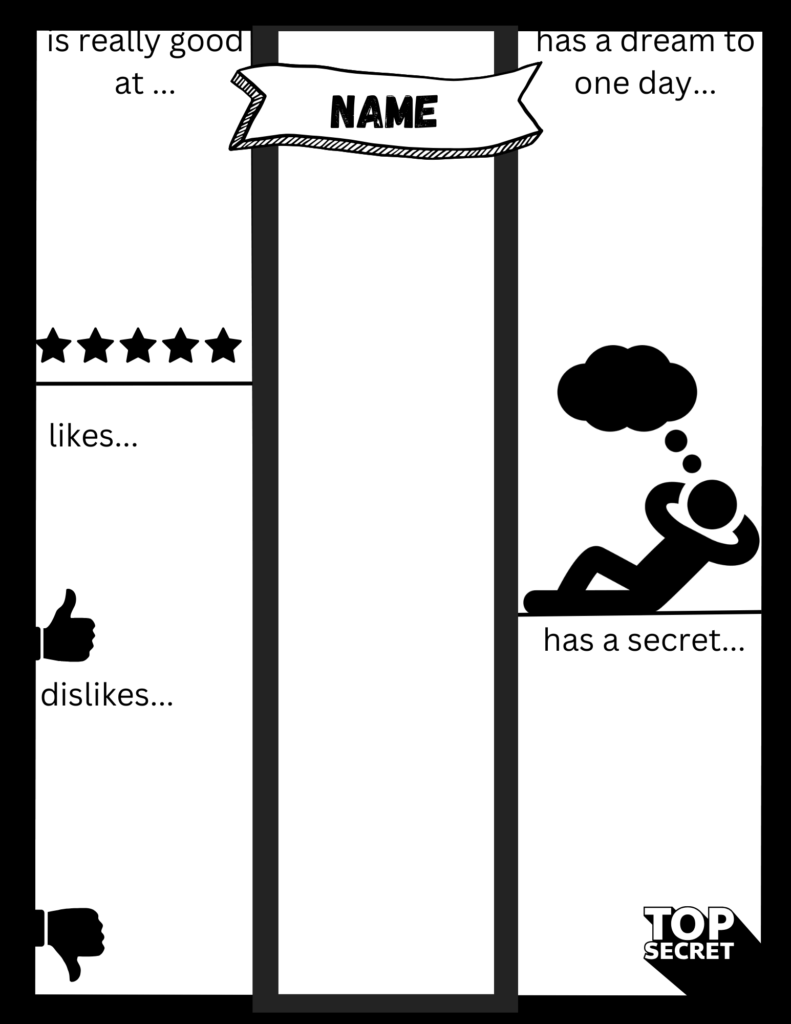
Companion Personality Profile
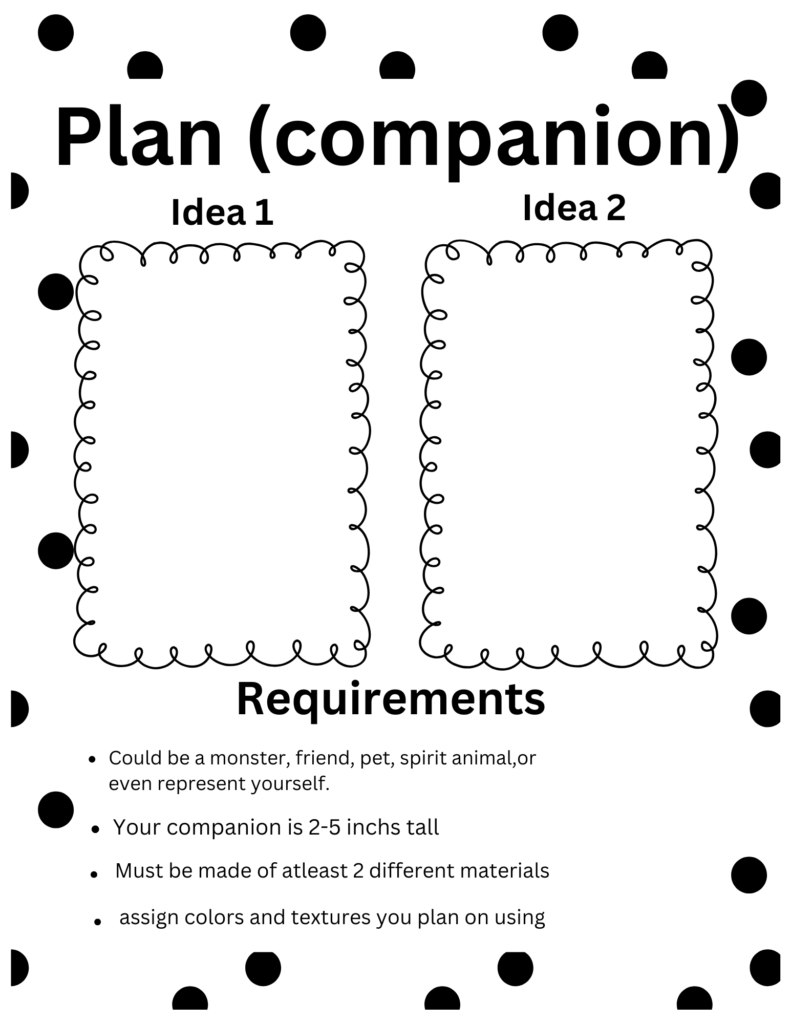
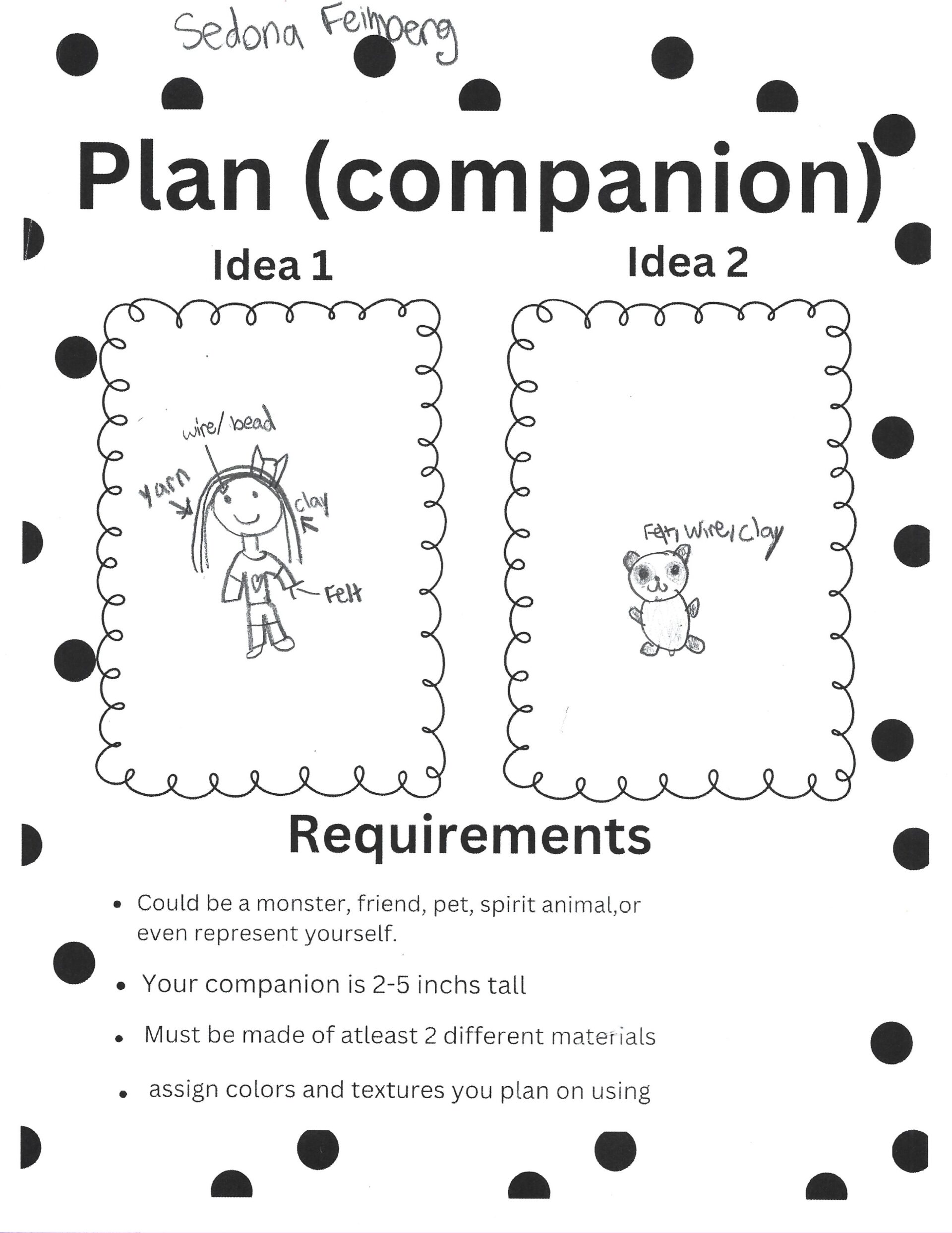
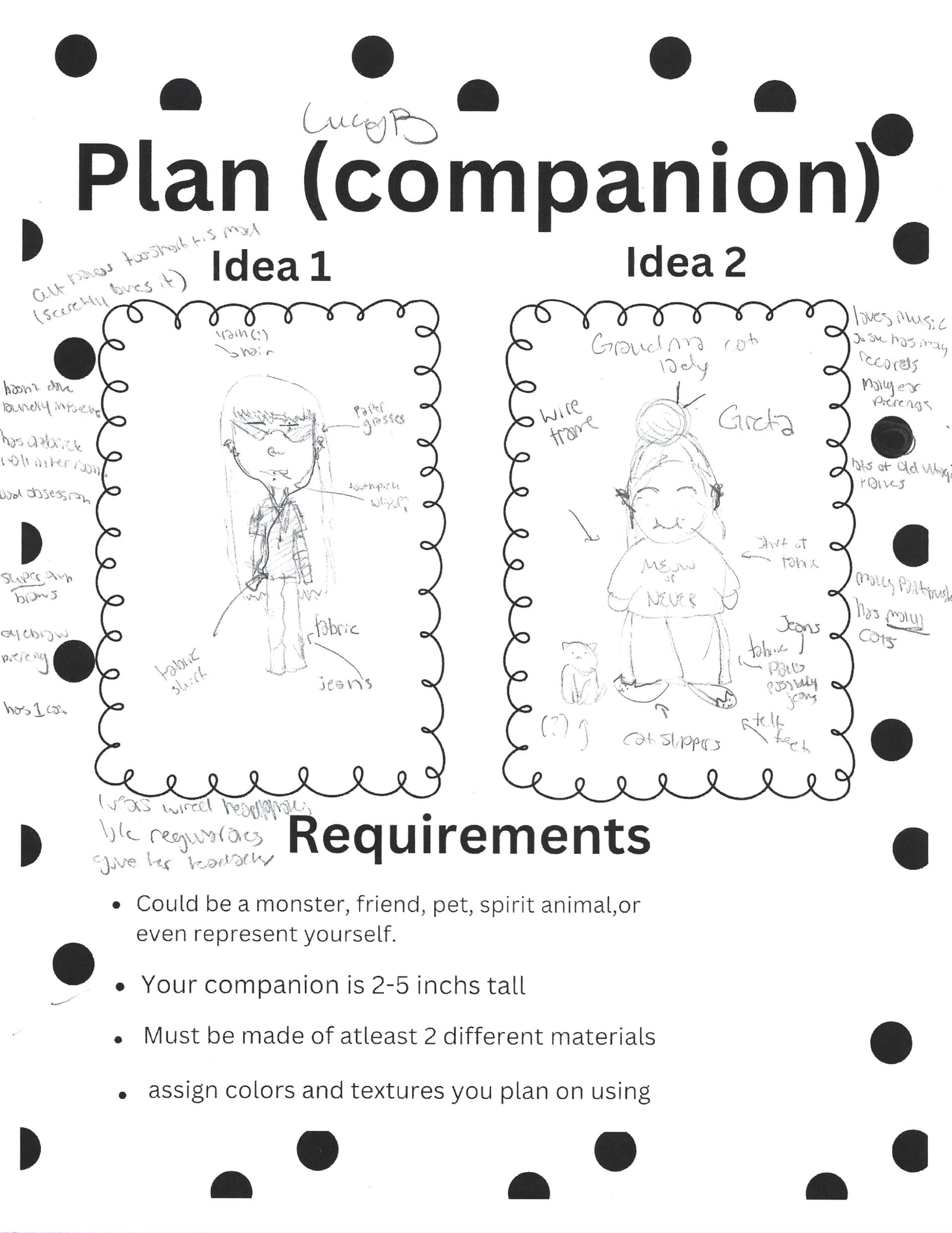
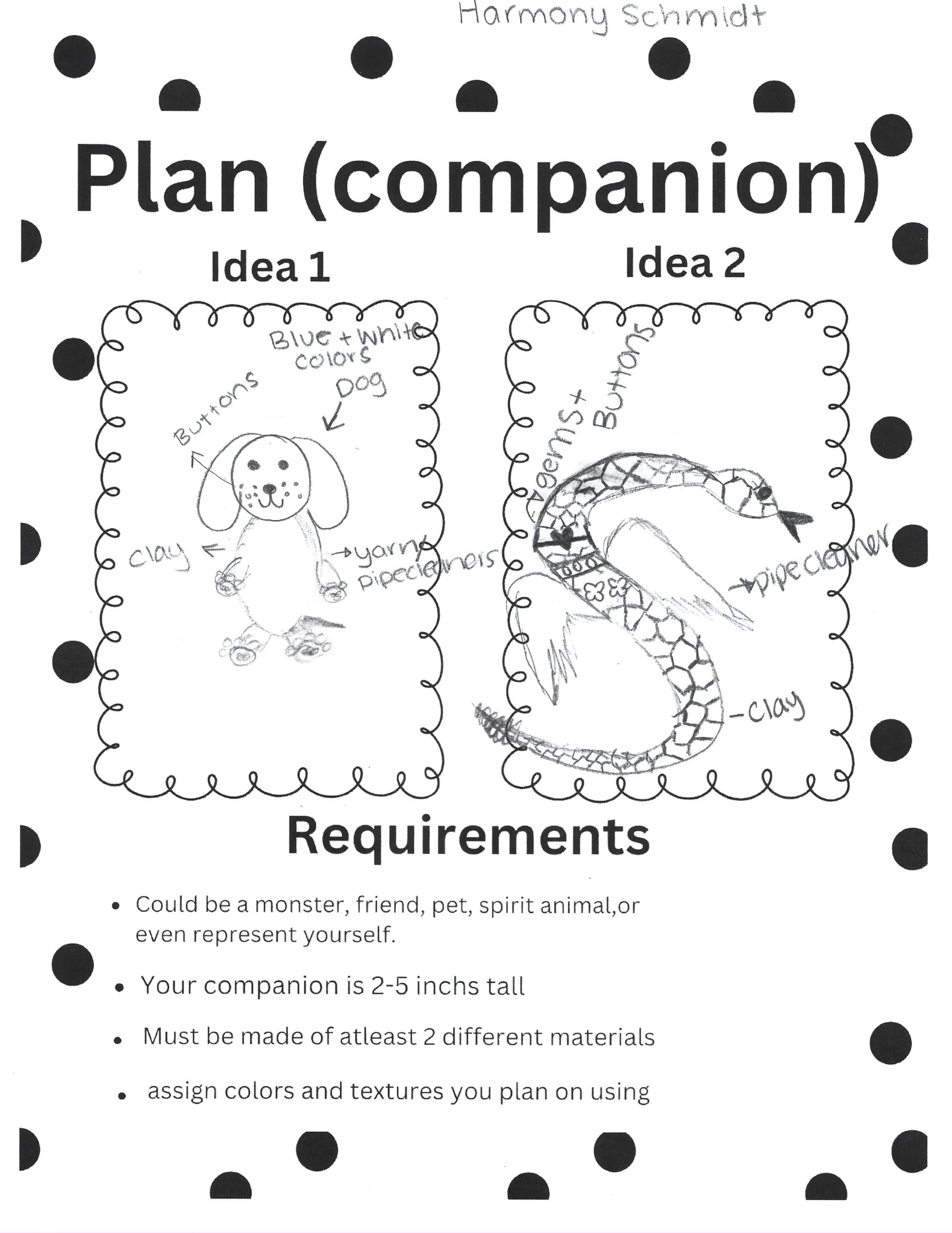
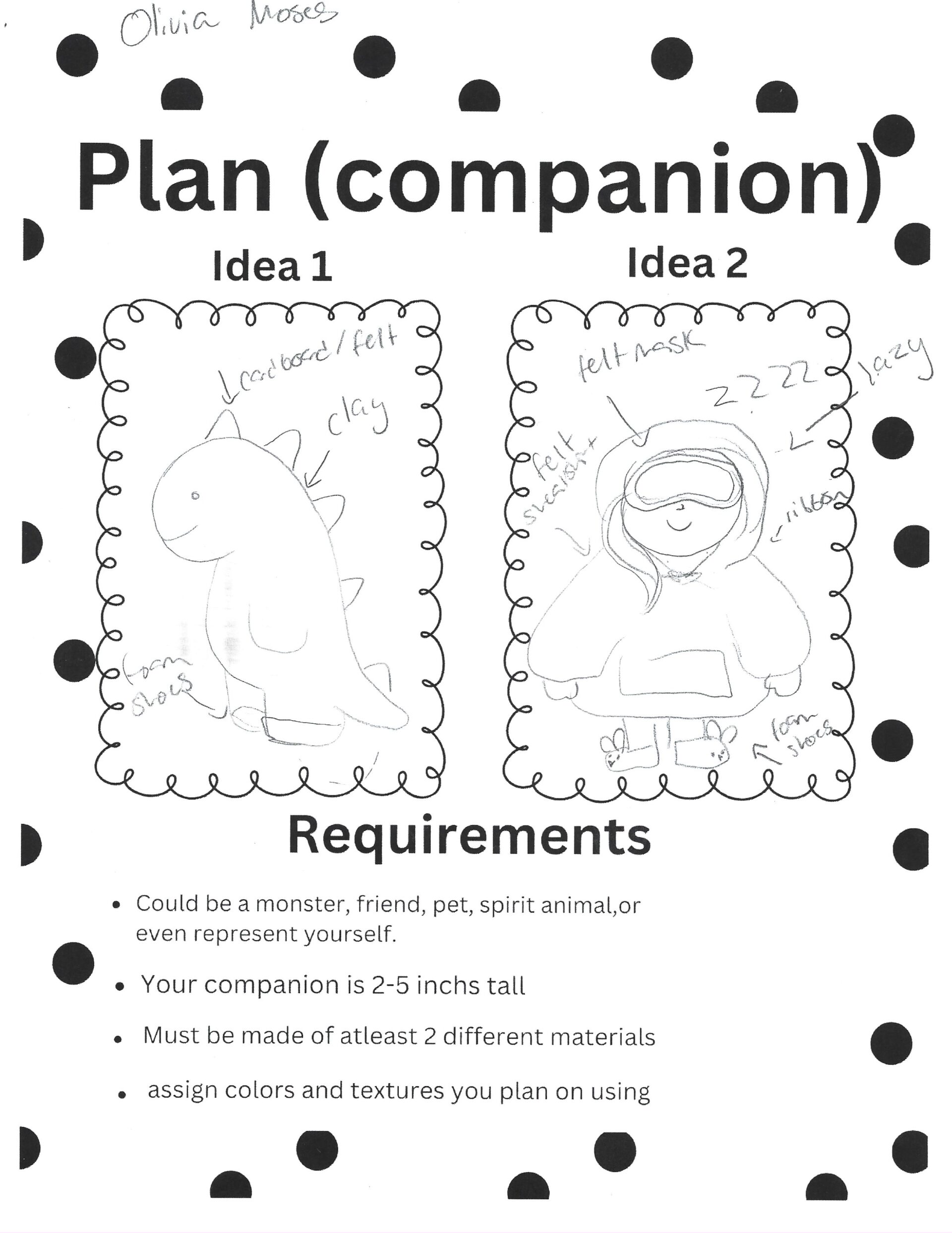
Draft a plan of your companion….
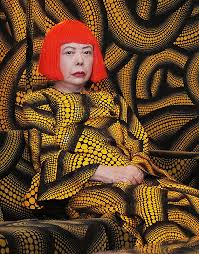
Guest Artist:
Yayoi Kusama
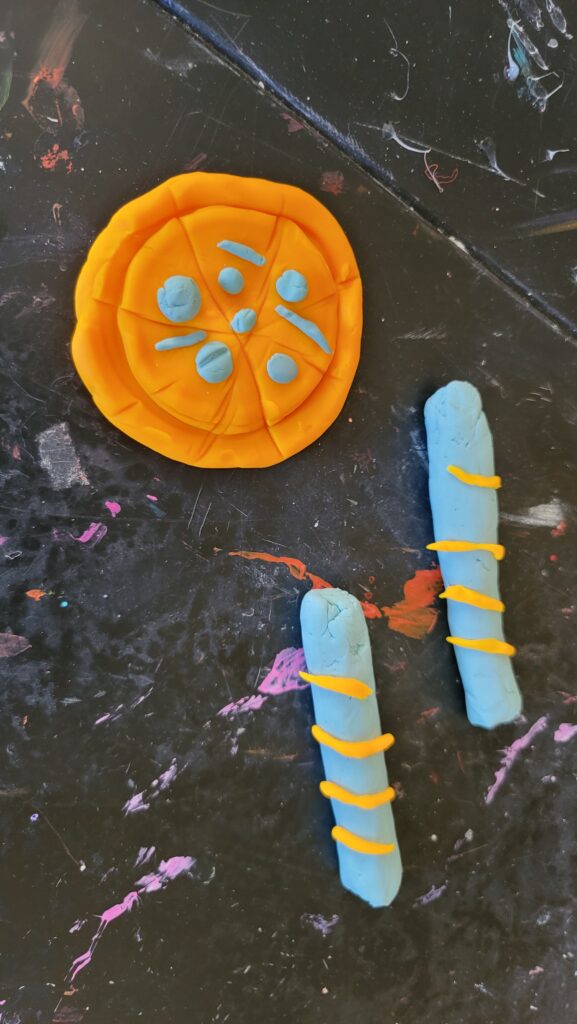
Play-Doh Warm up: Partner up and Create two things that go together.
Actual Companion Plans Gallery

Day 2- Share companion ideas and work day
Description of Day 2 ….students will construct a cootie catcher that has 8 questions that they play and answer with a partner as a way to share about their companion. They need only play 3 times (3 questions each) or depending how much time you have. Materials are introduced, work day begins today.
Colorado Standards
TQS1 Element B– Teachers develop and implement lessons that connect to a variety of content areas/disciplines and emphasize literacy and mathematics.
The students are given opportunities to read, listen, talk, and write throughout the entirety of the unit. Naturally there is measuring and aligning and composition components as well in their artwork creation/process. When turning in artwork, the students have the option to talk about their art and their process via writing, audio/speaking, or video as well.
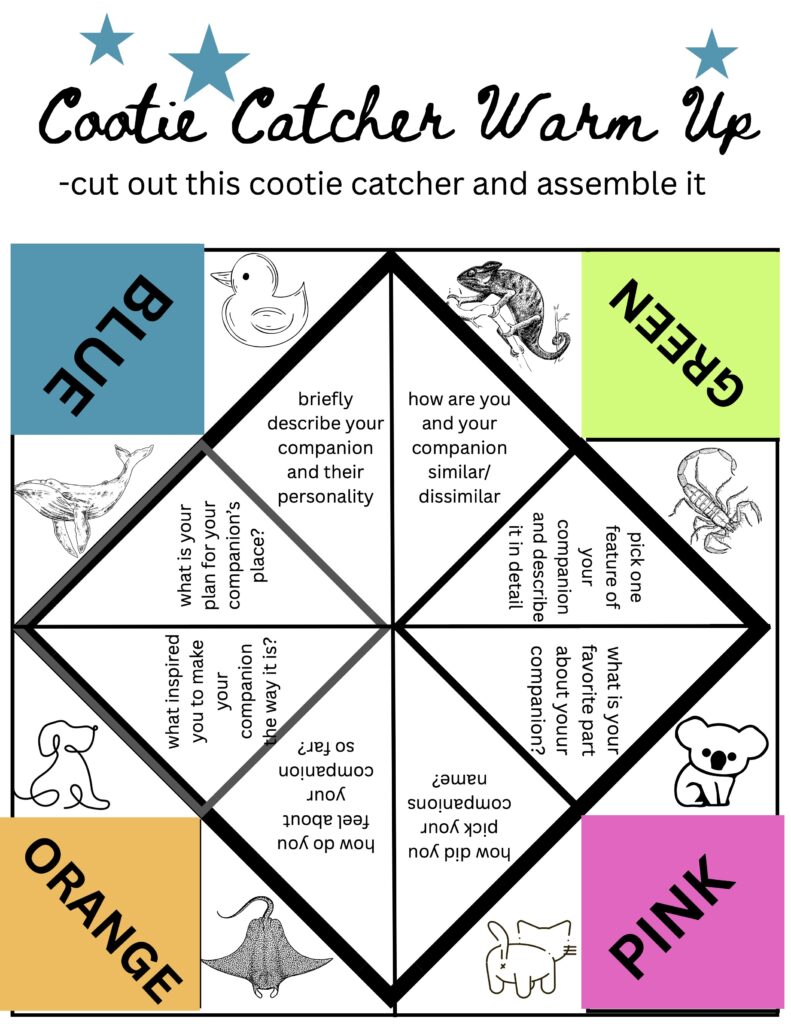
Warm-Up Materials….
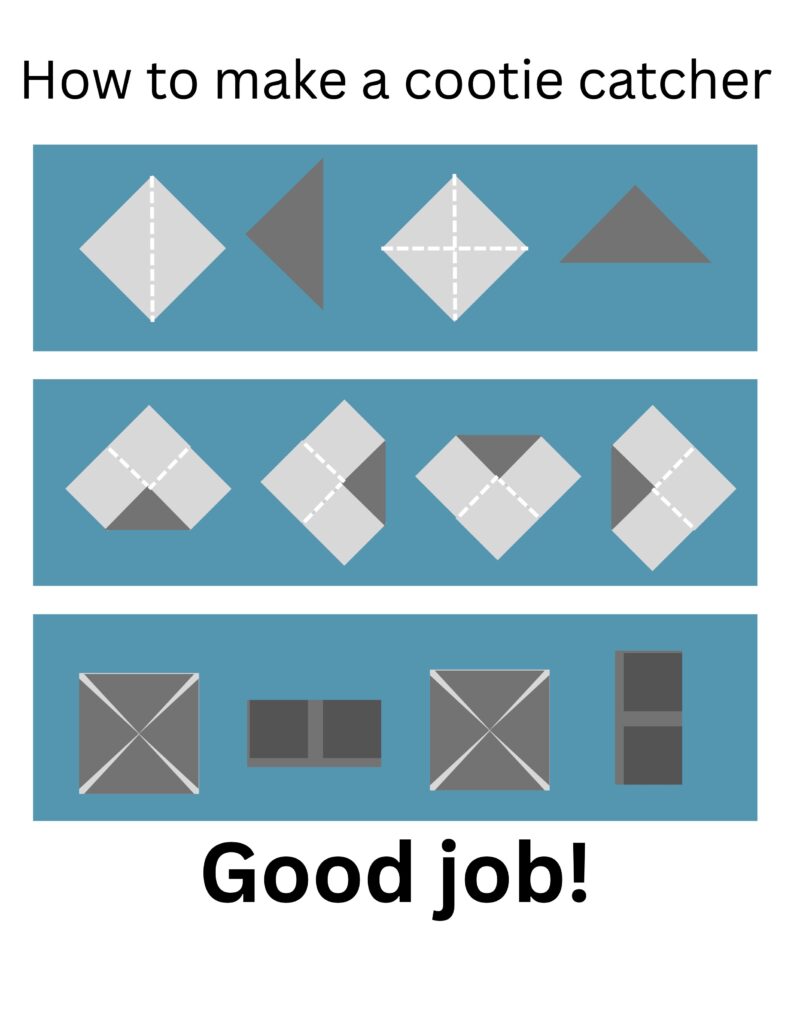
Instructions
Day 3- Companion work day
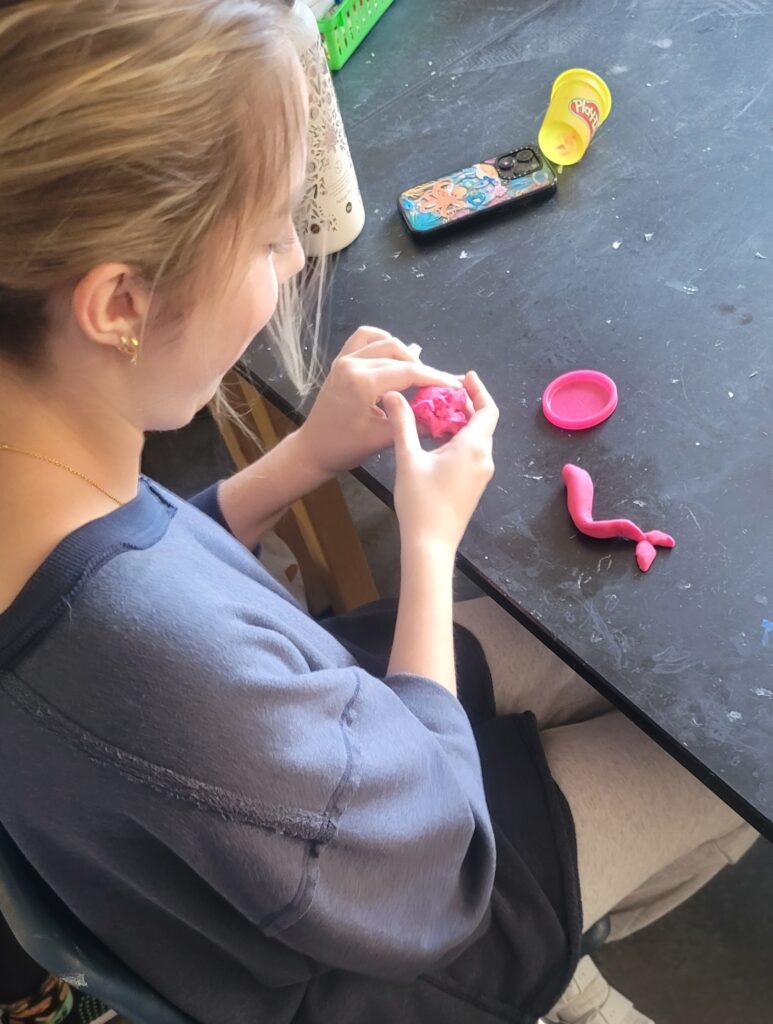
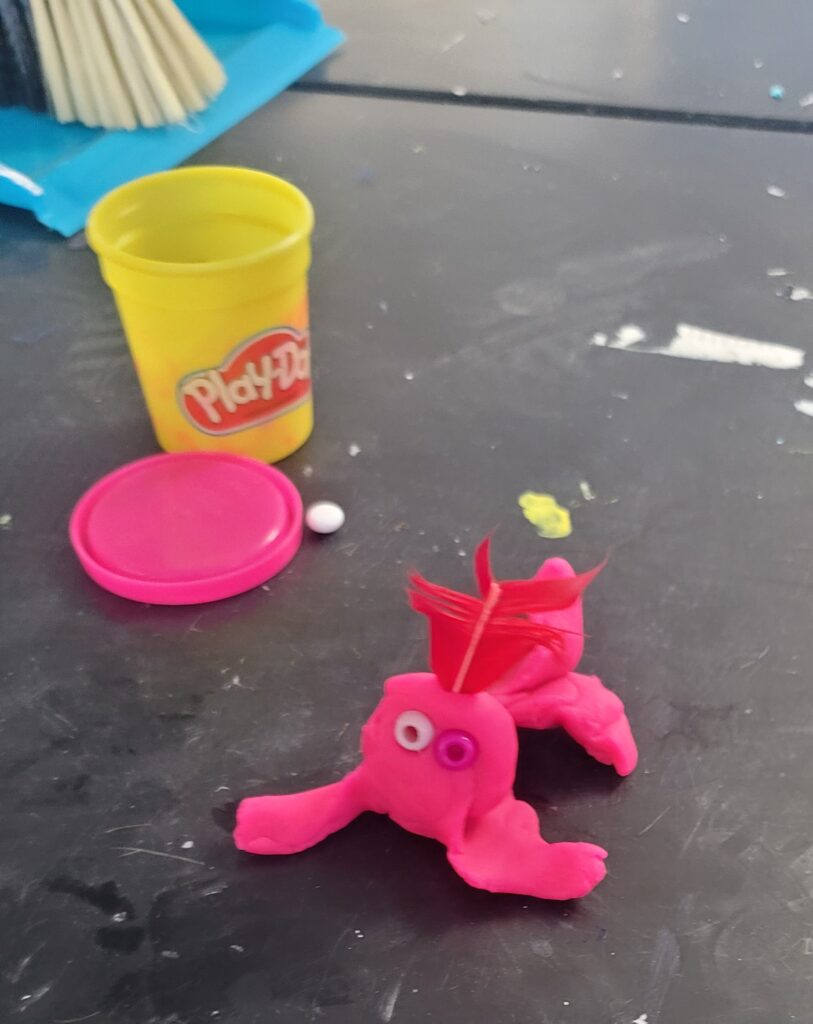
Description of Day 3…..this is a companion workday. Invent a creature you think would belong in the environment you see on the screen
Day 4-Introduce Place and workday
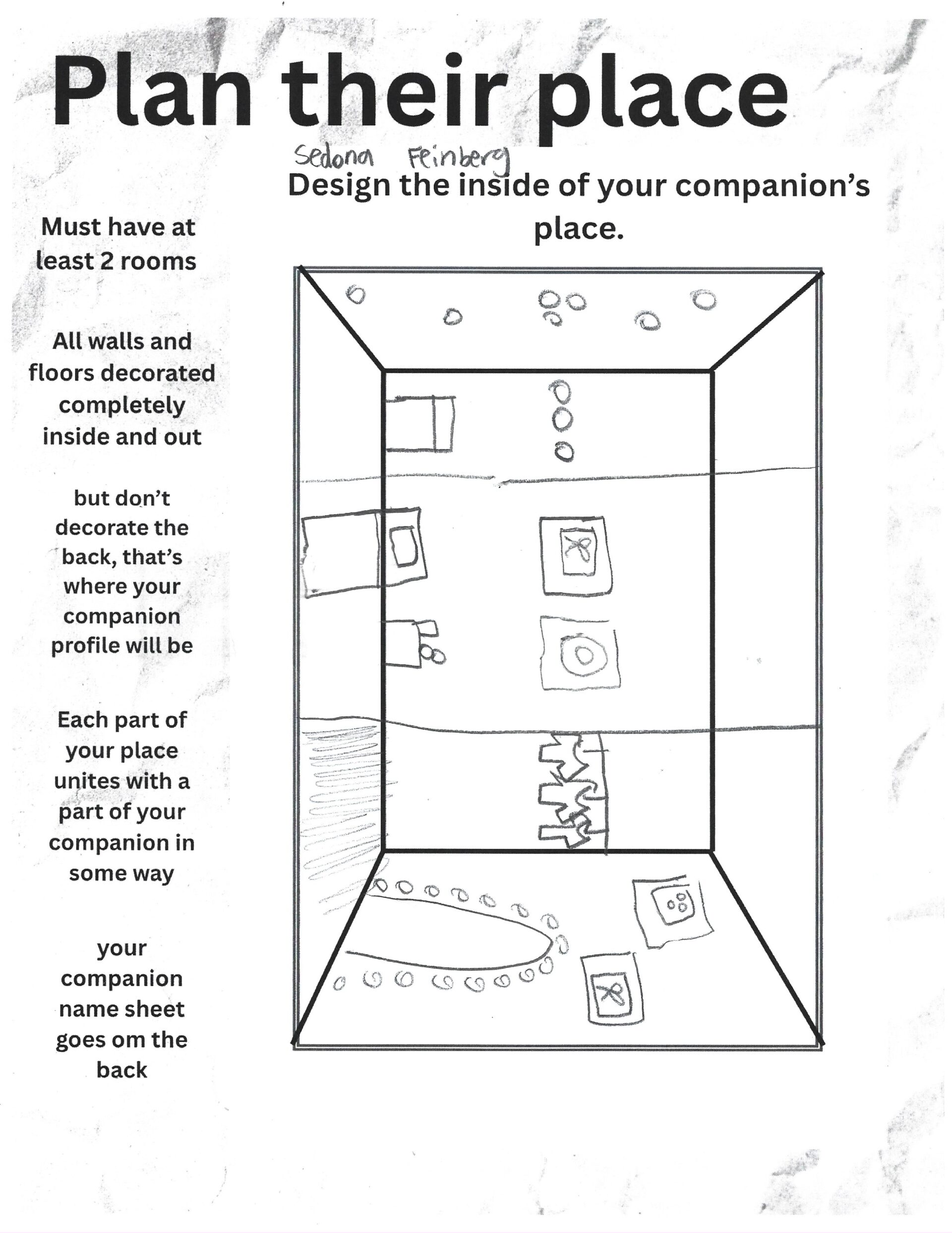
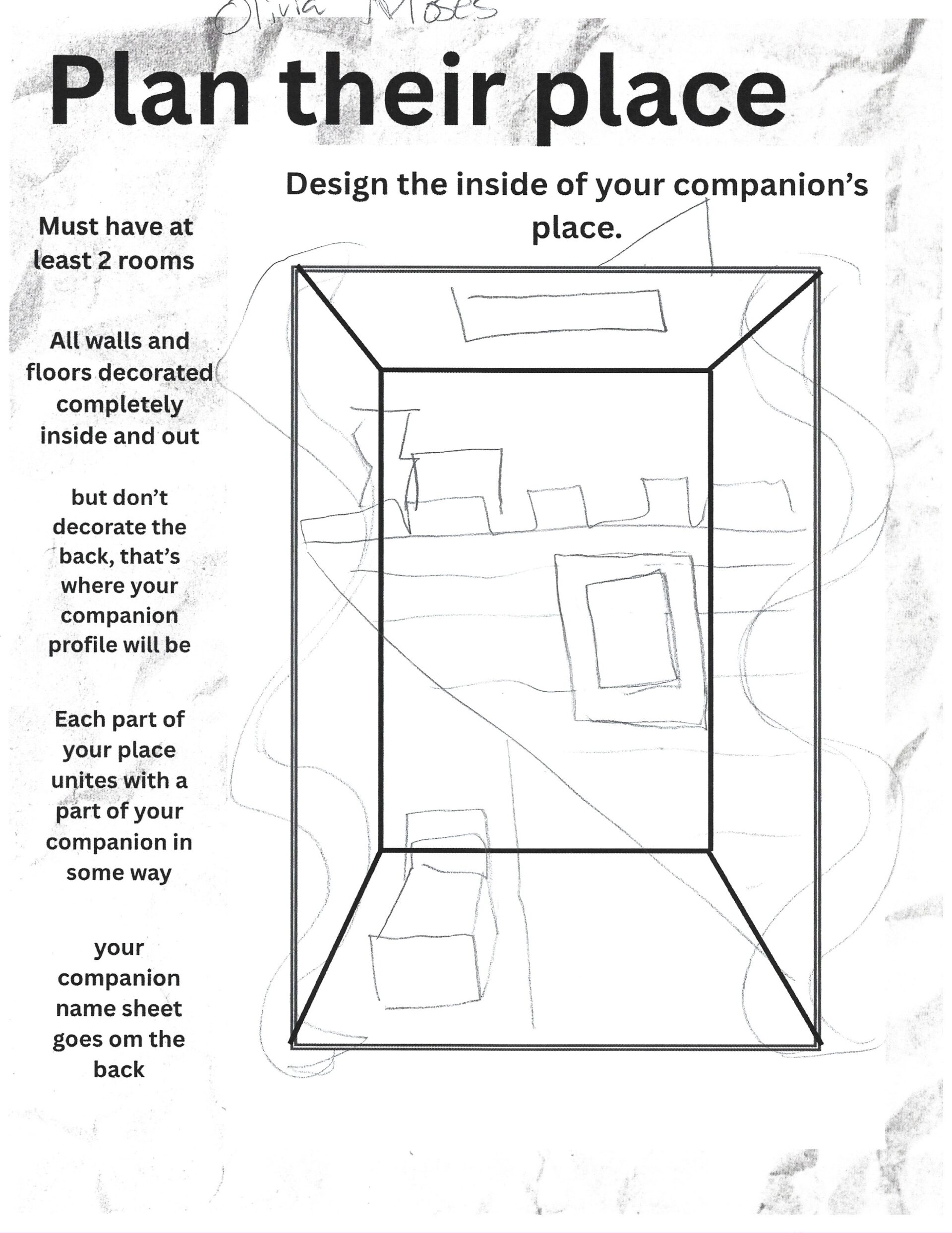
Description of Day 4…..the examplars are talked about in more detail as the students transition to their companions place. This place is to be made with the consideration of the companion and its personality. they must be united in concept and aesthetic (elements of design). Shoe boxes are handed out and workday begins.
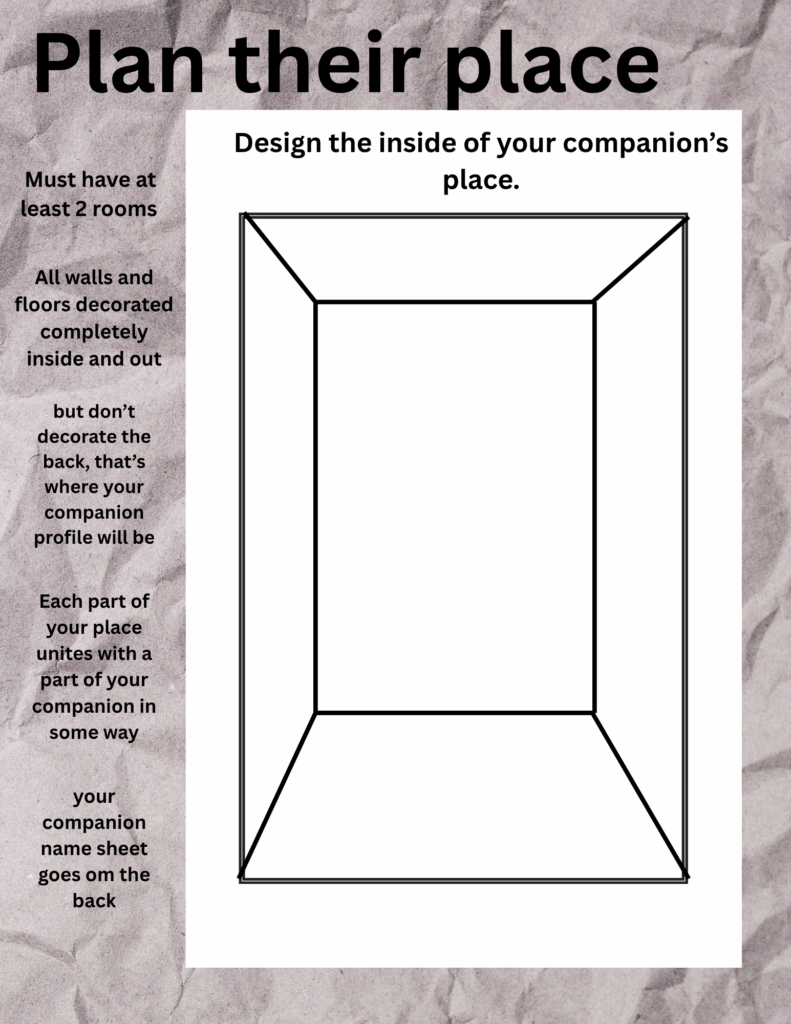
Box Design
Actual Companion Place Plans Gallery
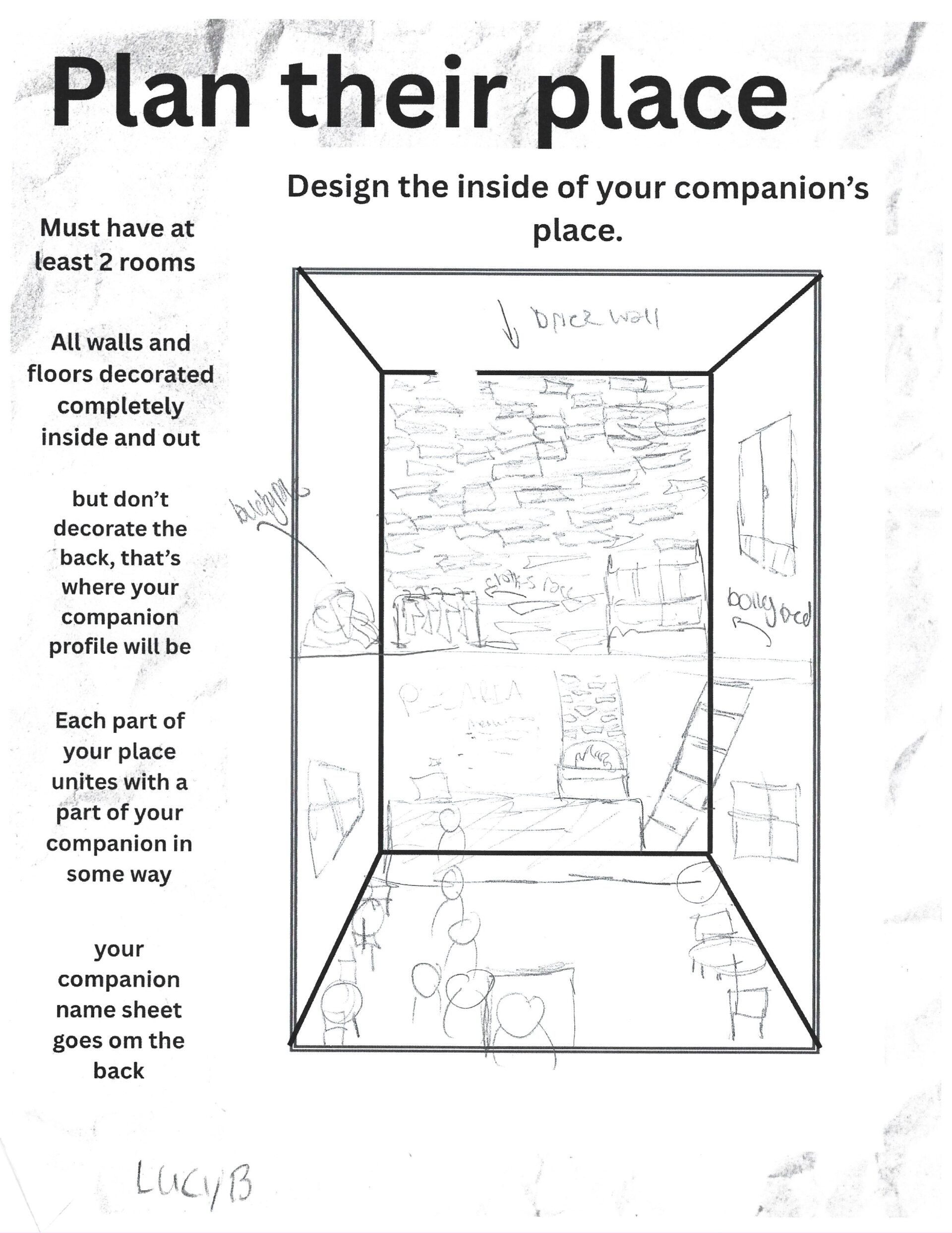
Day 5-workday
Description of Day 5…..catch up working on your companion and workday for your companion’s place
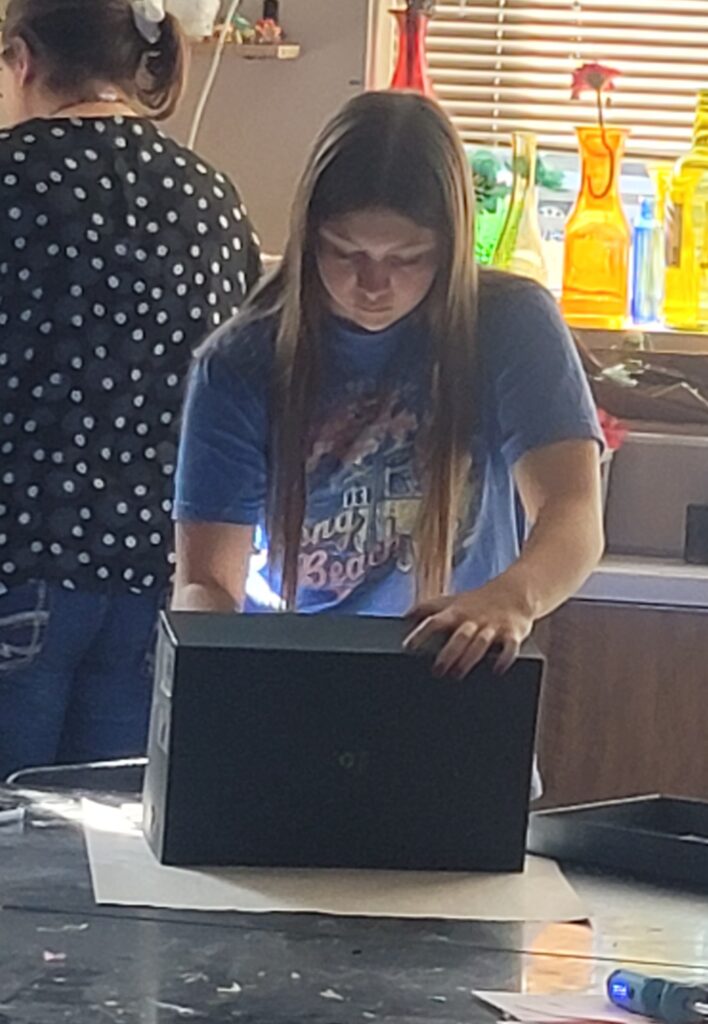
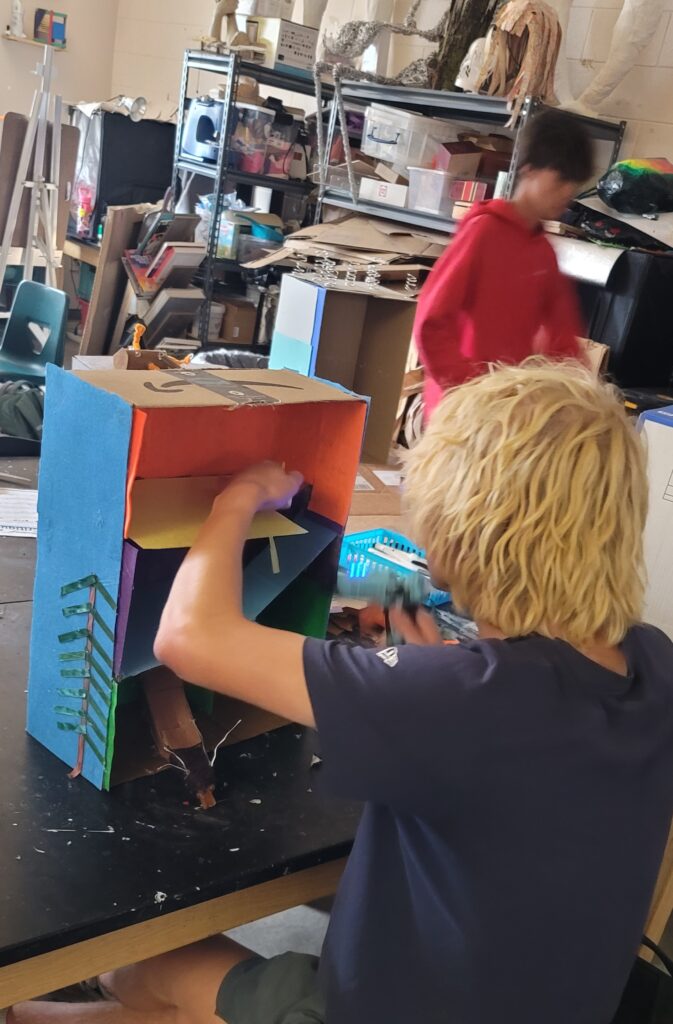
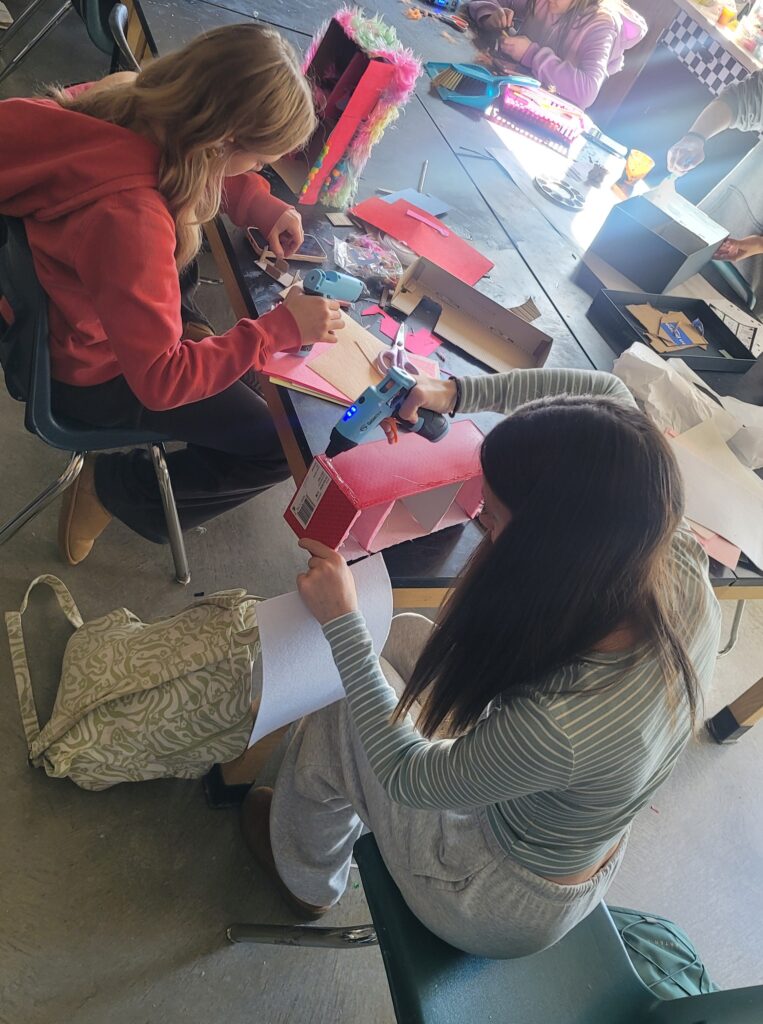
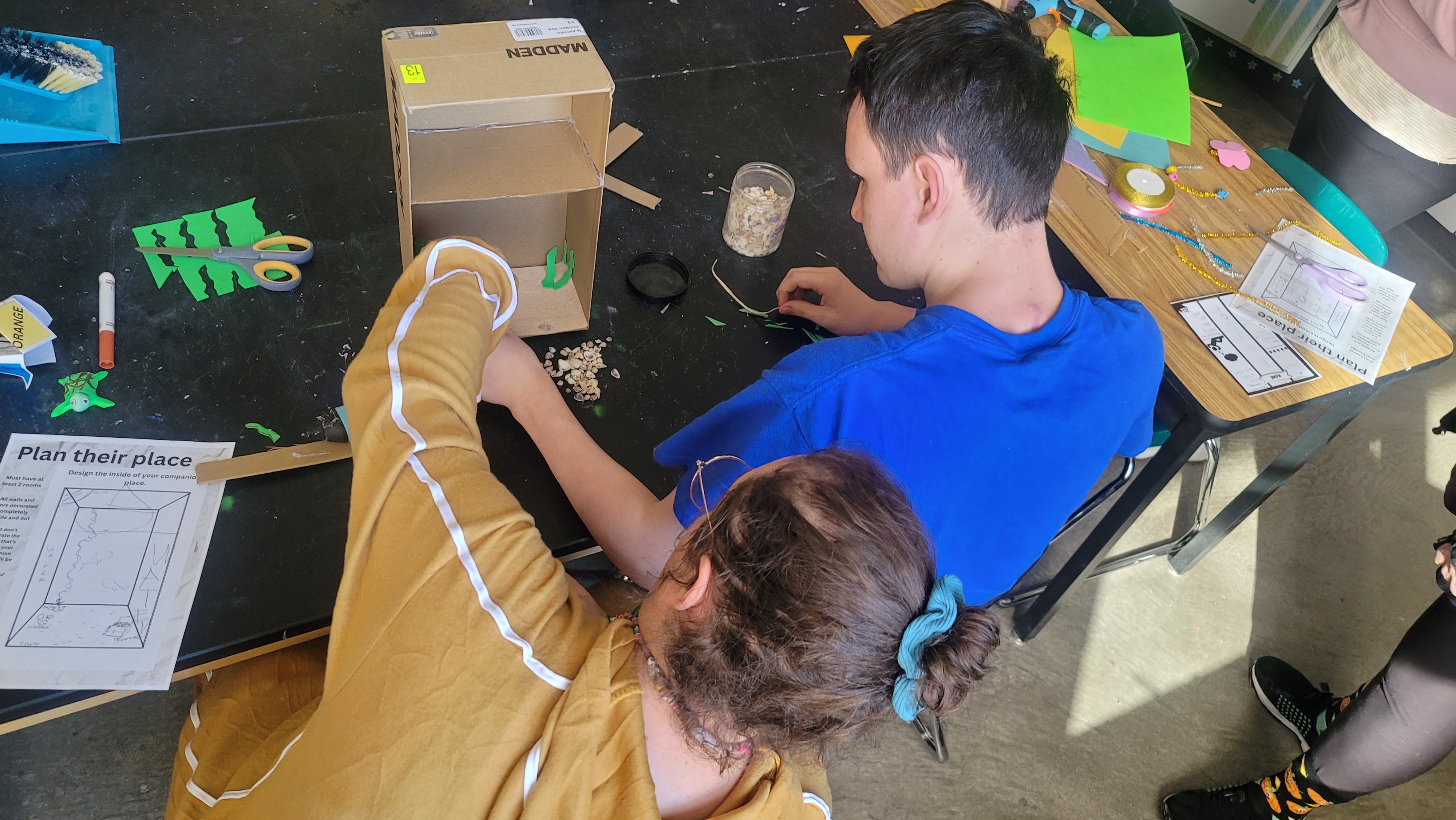
Day 6-Midpoint Peer Critique and Work Day
Description of Day 6…..We critique so that we may give and receive feedback that may help us improve going forward. This critique form is stationed at every student’s spot and all of the students walk around and answer one question per person until all of the questions are answered for each student.
Colorado Standards
TQS2 Element A- Teachers foster a predictable learning environment characterized by acceptable student behavior and efficient use of time in which each student has a positive, nurturing, relationship with caring adults and peers.
Predictability is a product of consistency and in my classroom, we have a routine and from the beginning of the year we set a precedence for student behavior which is maintained throughout the year/semester by means of verbal communication, reminders, intermittent discussions about expectations when interacting with students and adults. For example, we discuss how to effectively and respectfully contribute to the conversation during critiques, my motto is “be helpful, not hurtful”.
TQS3 Element B– Teachers use formal and informal methods to assess student learning, provide feedback, and use results to inform planning and instruction.
Informally, I asses by watching the students engage in their project, and in planning sheets that they turn in regarding their project and I also keep an ear out for student conversations to listen for understanding, questions, and estimate time they may need to finish which all goes into the planning I must account for when looking towards the near future.
Formally, I have a mid-progress critique, post project critique, and a self-assessment at the end that provides feedback for how I will proceed going forward.
Day 7-8: Work Days
Description of Day 7-8. These are work days.
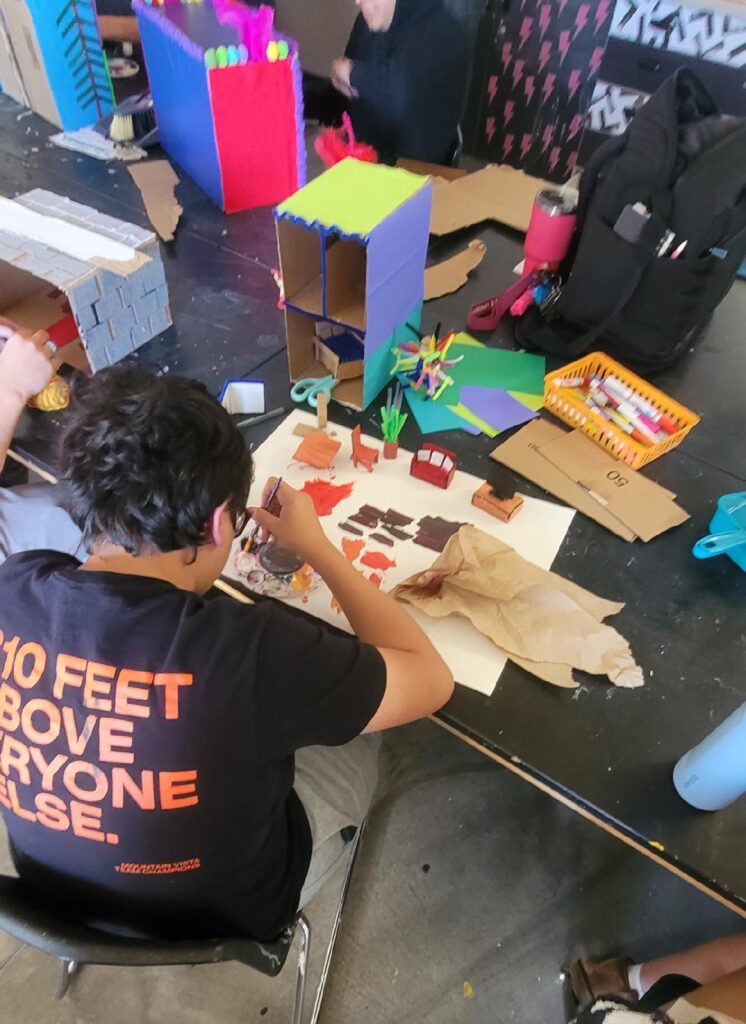
In Progress
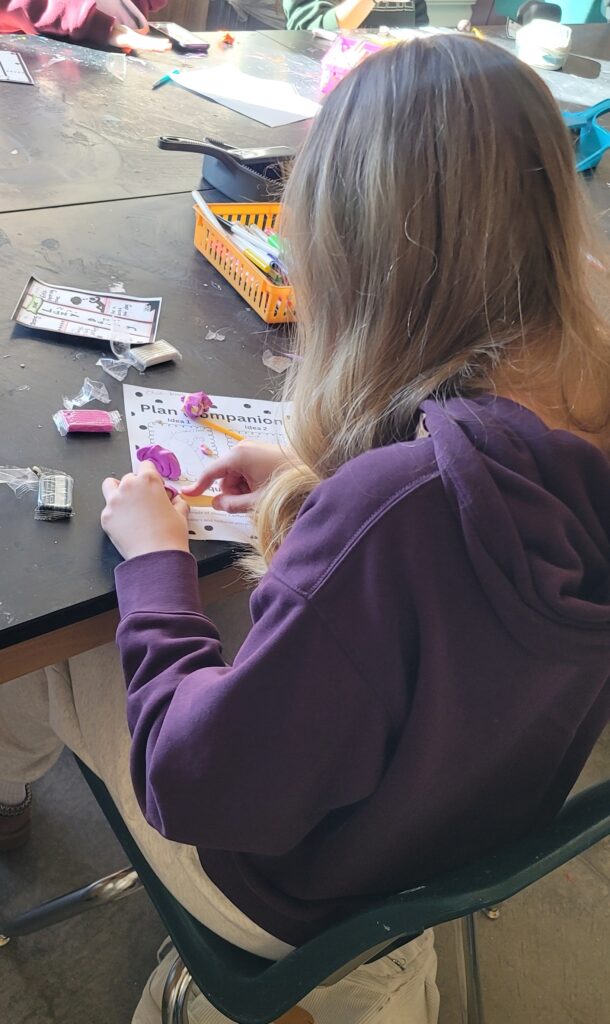
In Progress
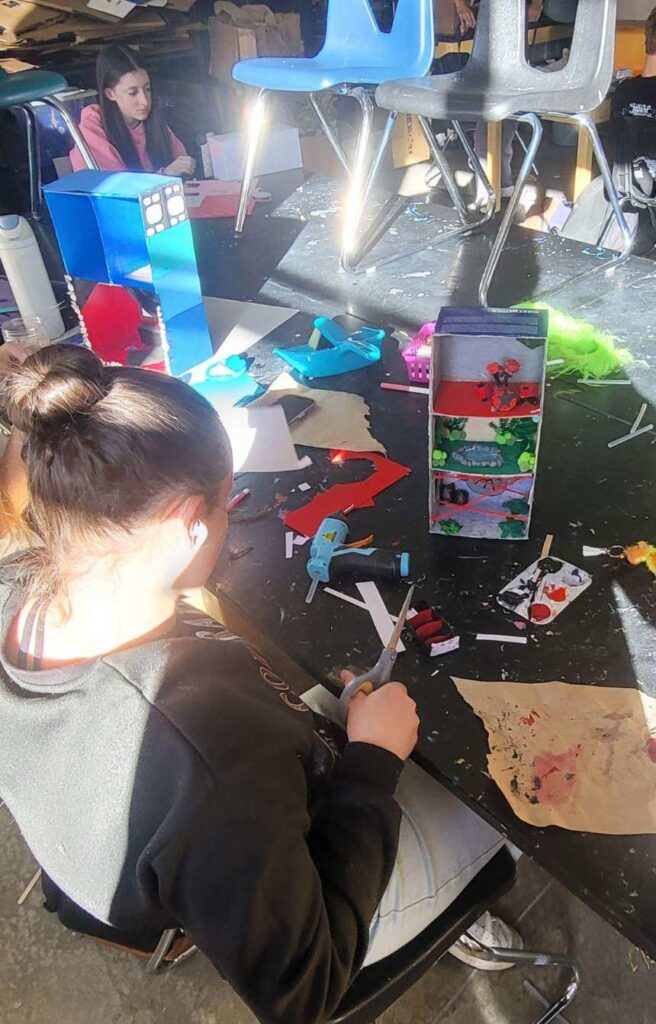
In Progress
Day 9: Final Critique
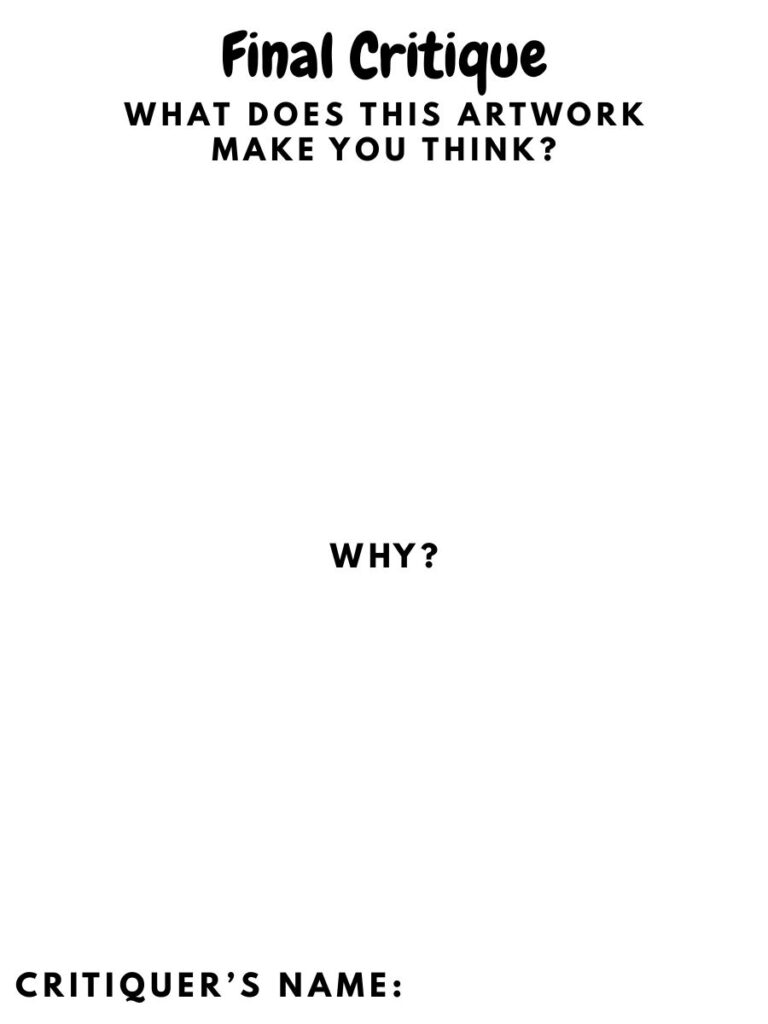
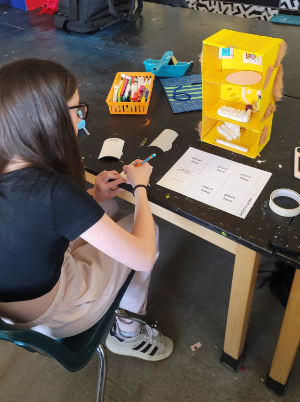
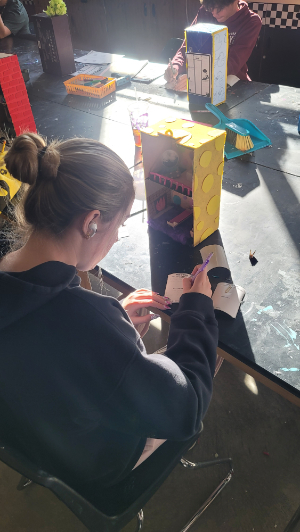
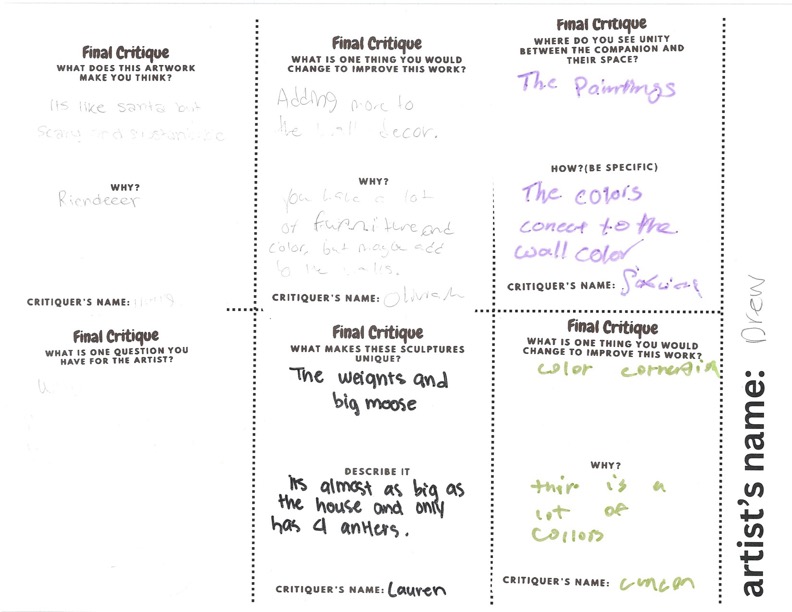
Day 9 Description: We give and receive feedback by filling out questions on stickers. The main difference between the midway critique and the final critique is the addition of the question–Why?–after each response in an attempt to explain their thinking. Students are instructed to take 3 to 5 pictures of their companion and place and upload them to Canvas (student portal).
Colorado Standards
TQS3 Element C– Teachers integrate and utilize appropriate available technology to engage students in authentic learning experiences.
Students have access to a light box where they can capture professional photographs of their artwork both during and after every project. They are also required to upload these photos into their online portal where they can keep a virtual portfolio.
Sticker Placement Sheet
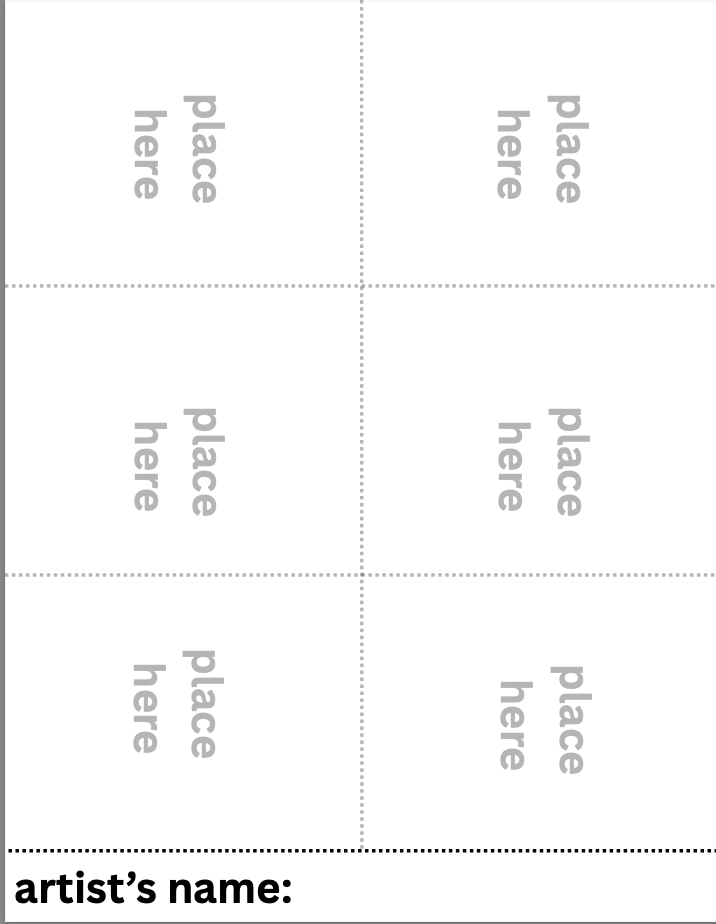
Final Critique Stickers
Critique in progress
Critique in progress
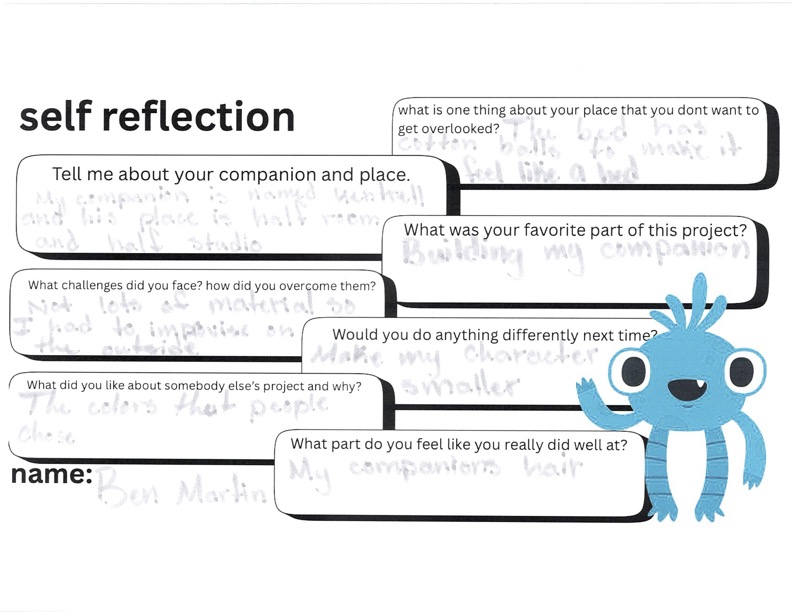
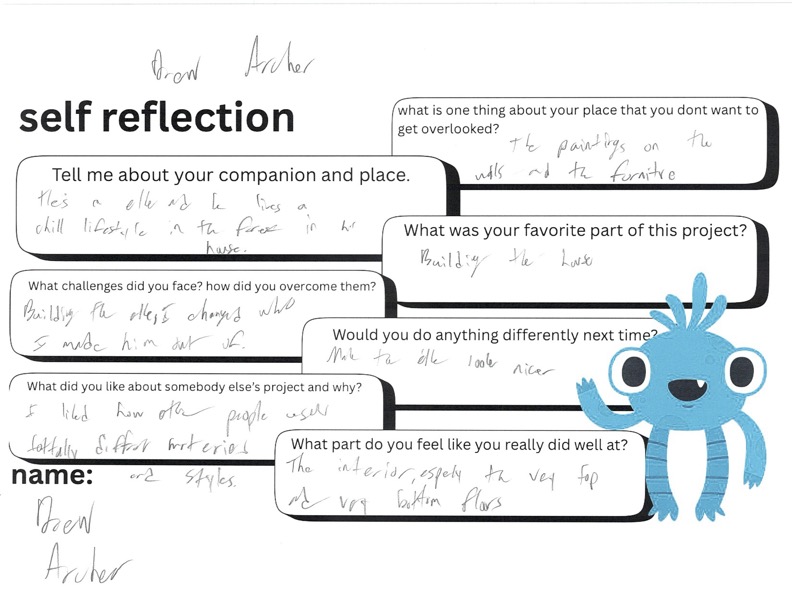
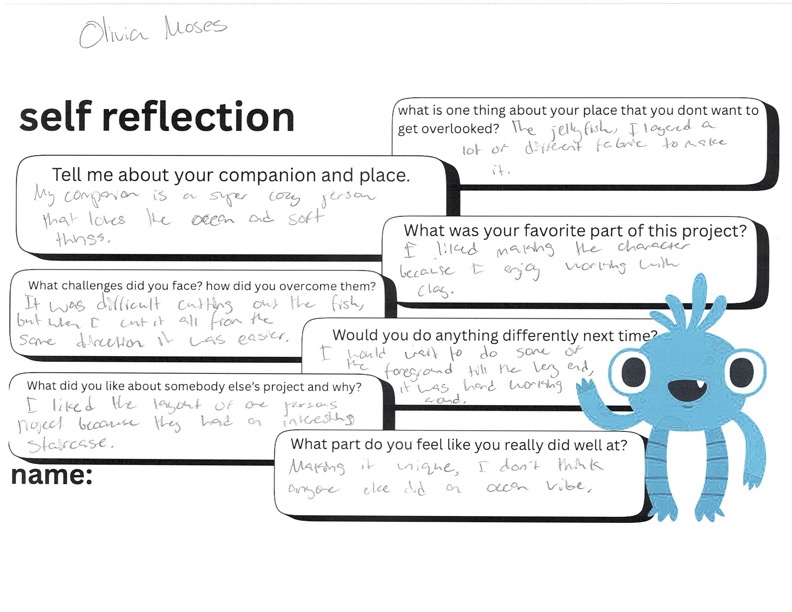
Self Reflection Sheet
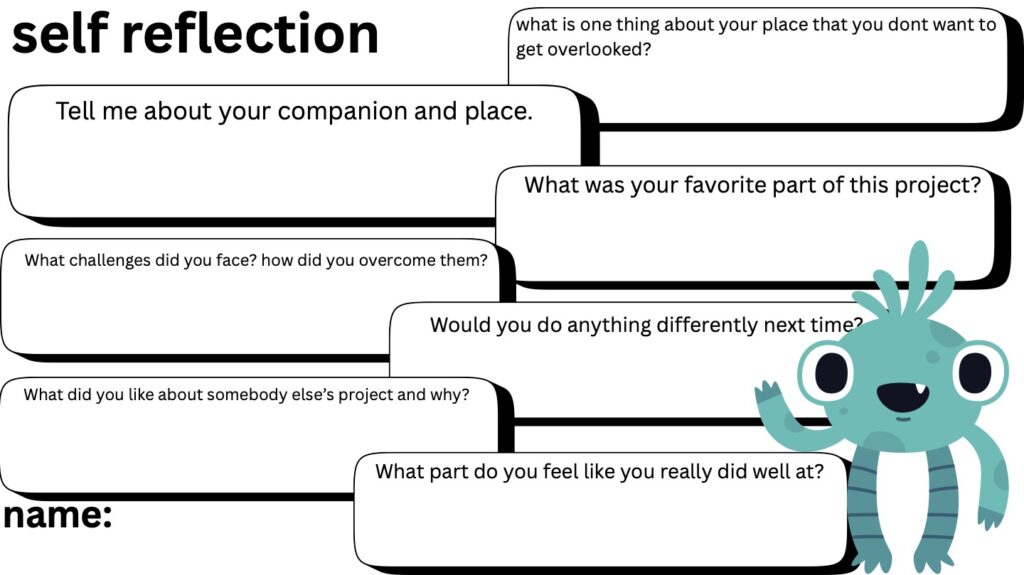
Actual Final Critiques
lucyfc
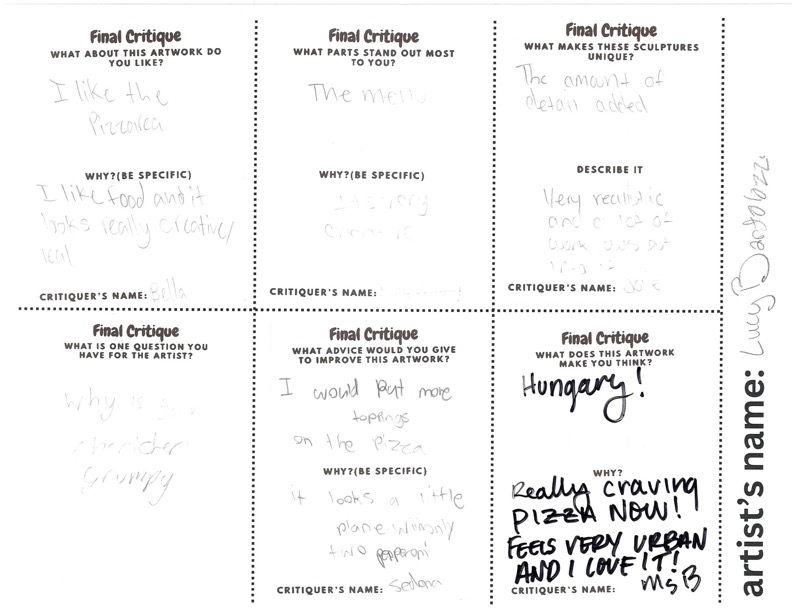
joliefc
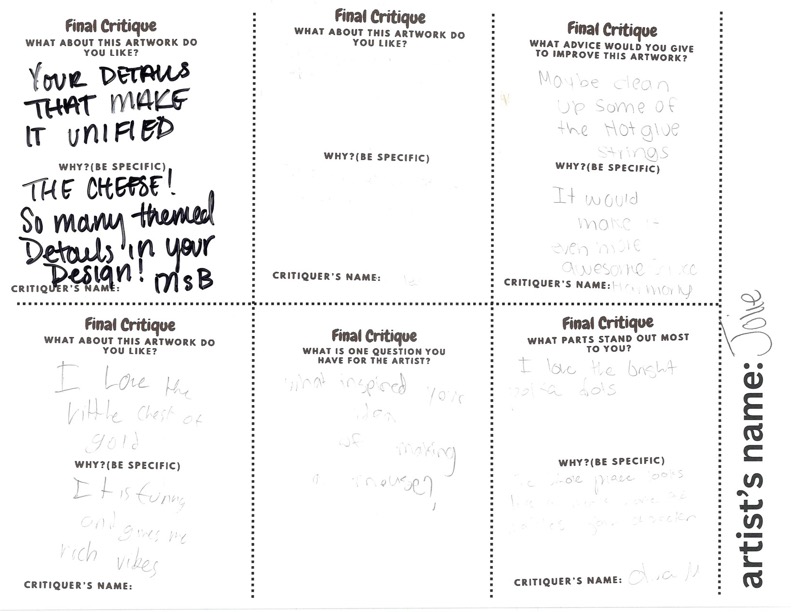
harmonyfc
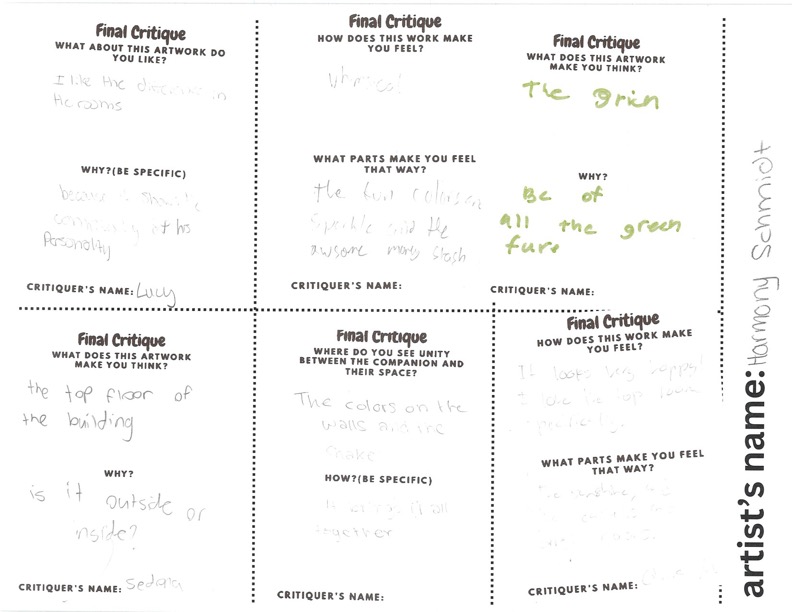
drewfc
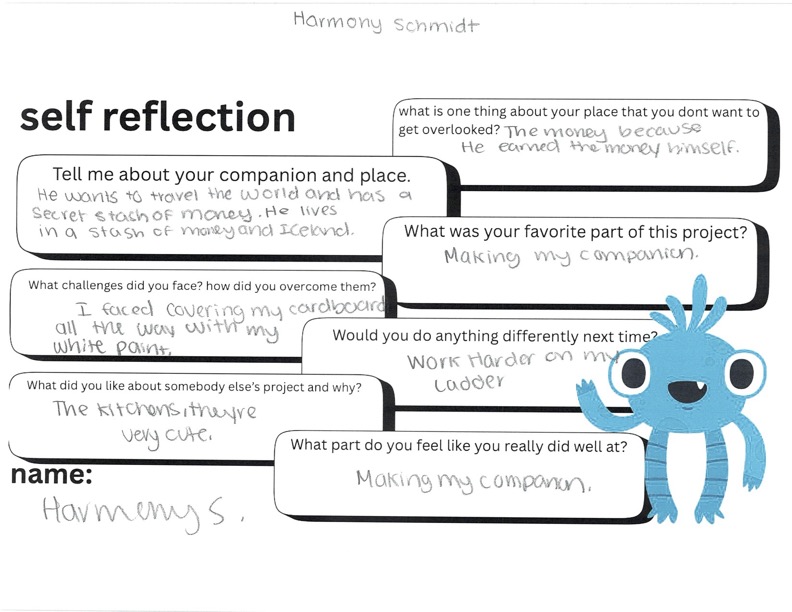
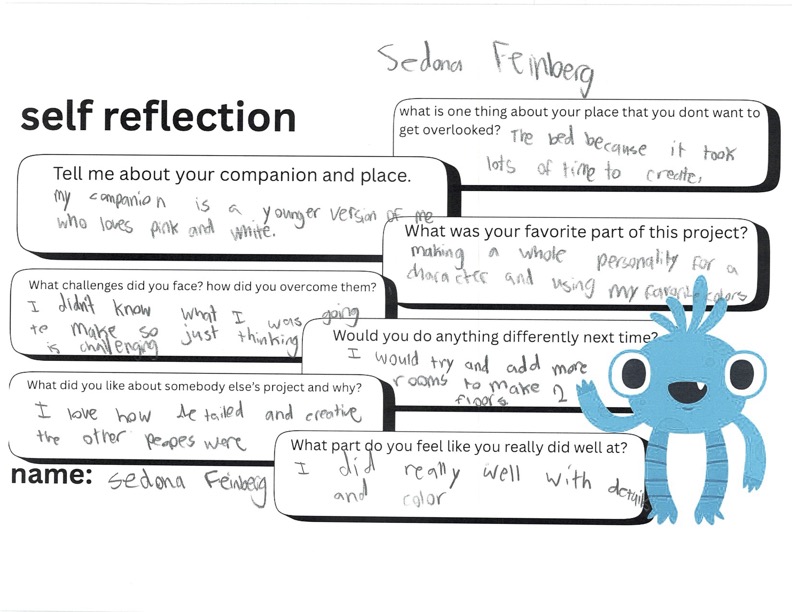
Actual Self Reflections
bensr
drewsr
oliviasr
harmonysr
sedonasr
Additional Artifacts
Colorado Standards
TQS3 Element A-Teachers demonstrate knowledge about the ways in which learning takes place, including the levels of intellectual, physical, social, and emotional development of their students. More time and or accommodations unique to their needs. Grading is also adjusted if their ability level calls for such protocol.
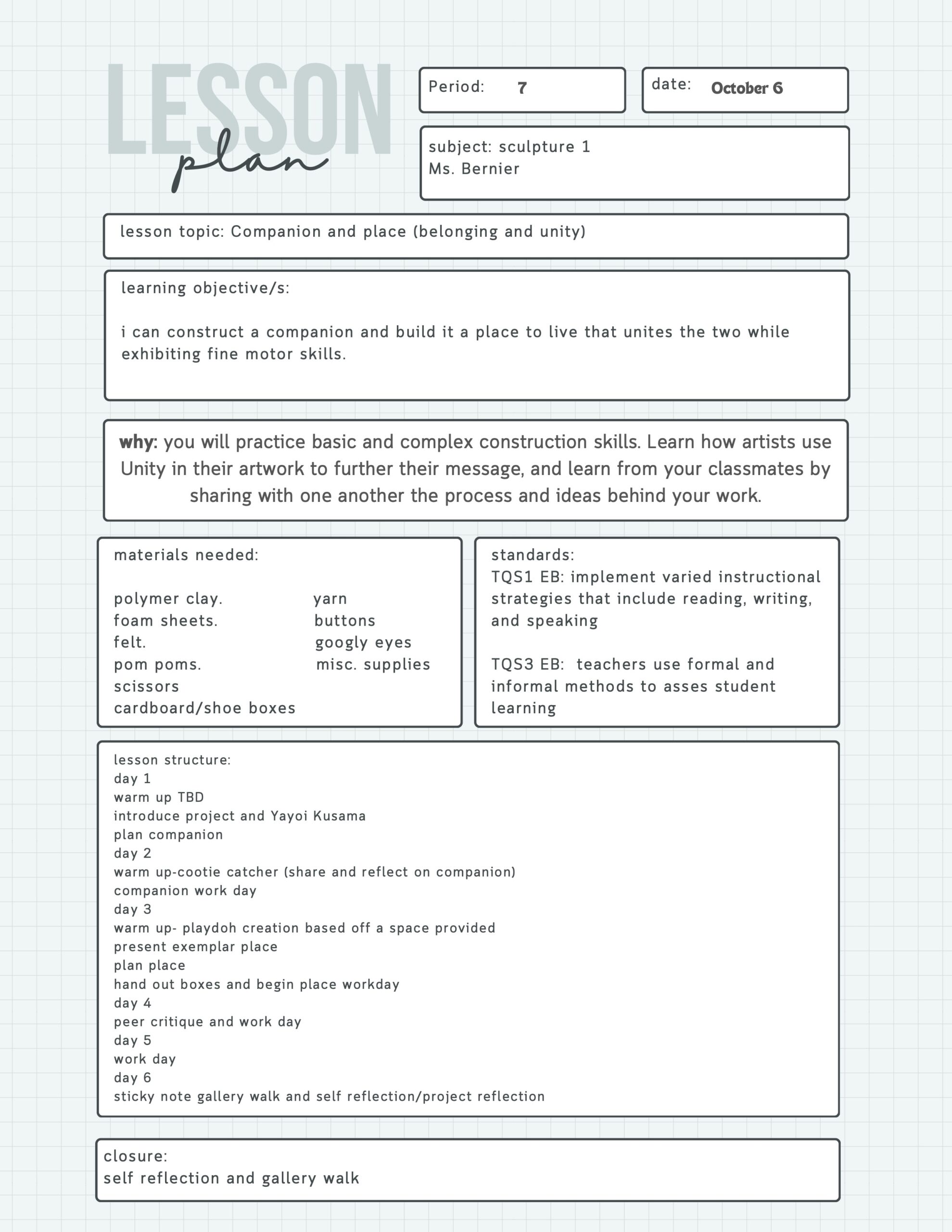
Lesson Plan
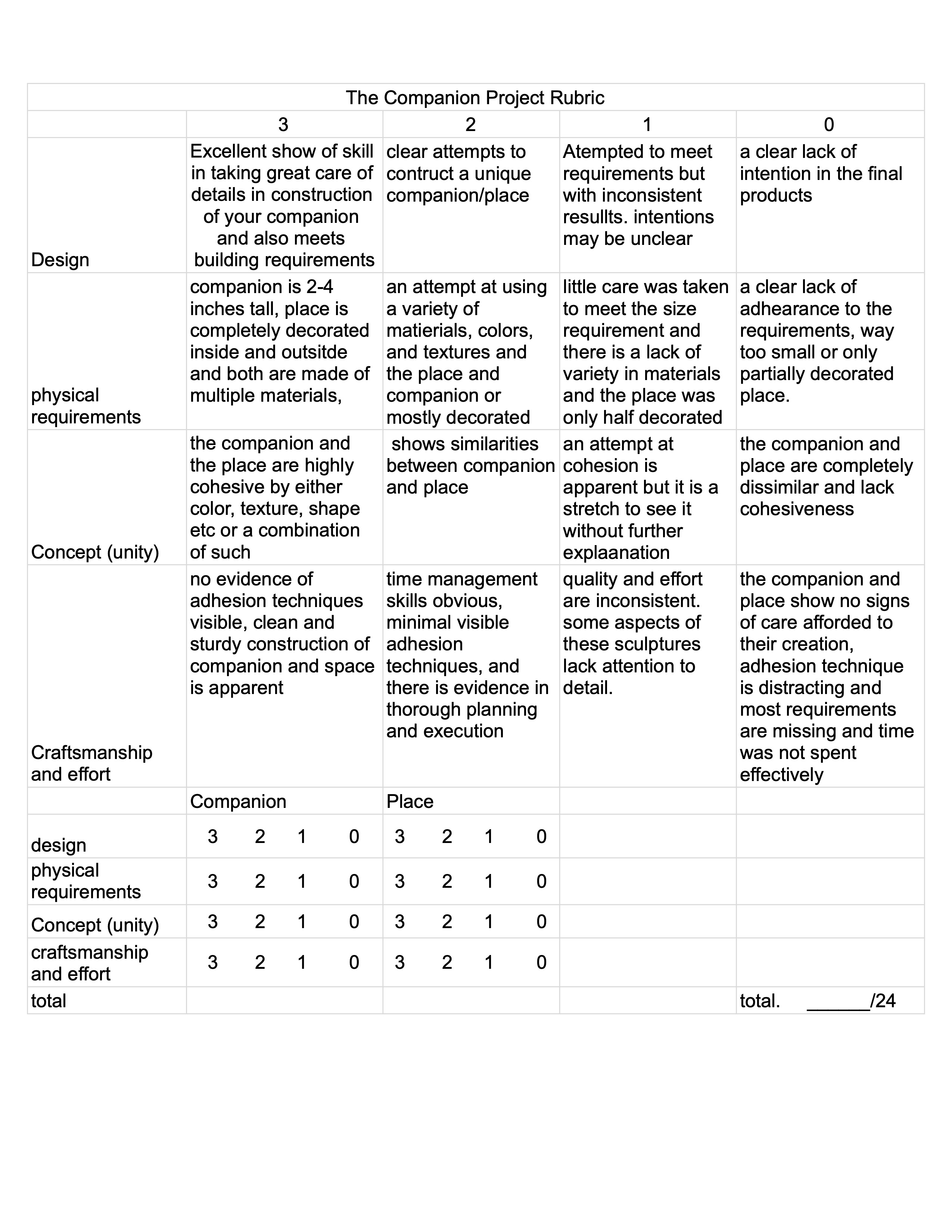
Rubric
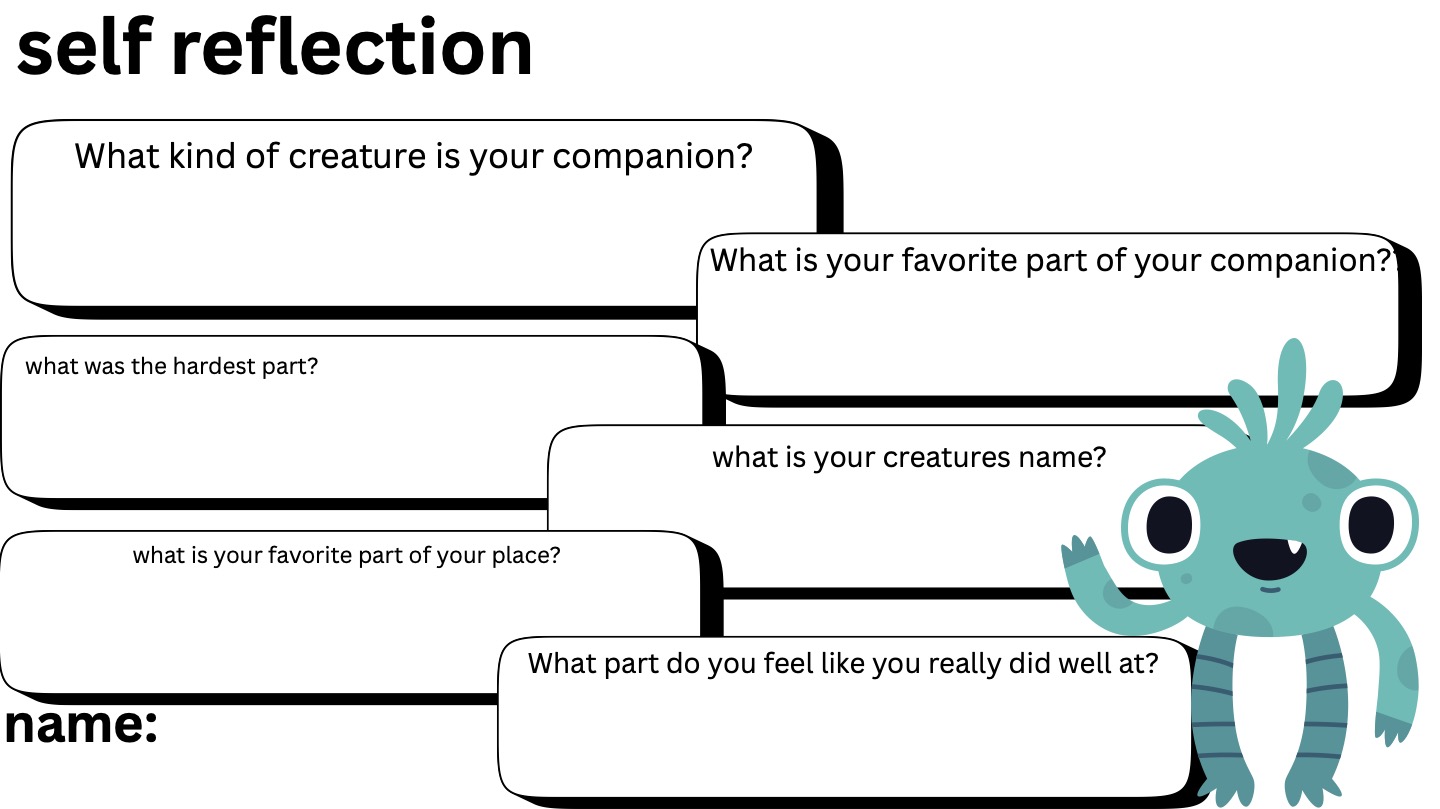
Special Education Self Reflection
Missing Assignments Sheet
Missing Assignments Sheet
Student Gallery
benjamin
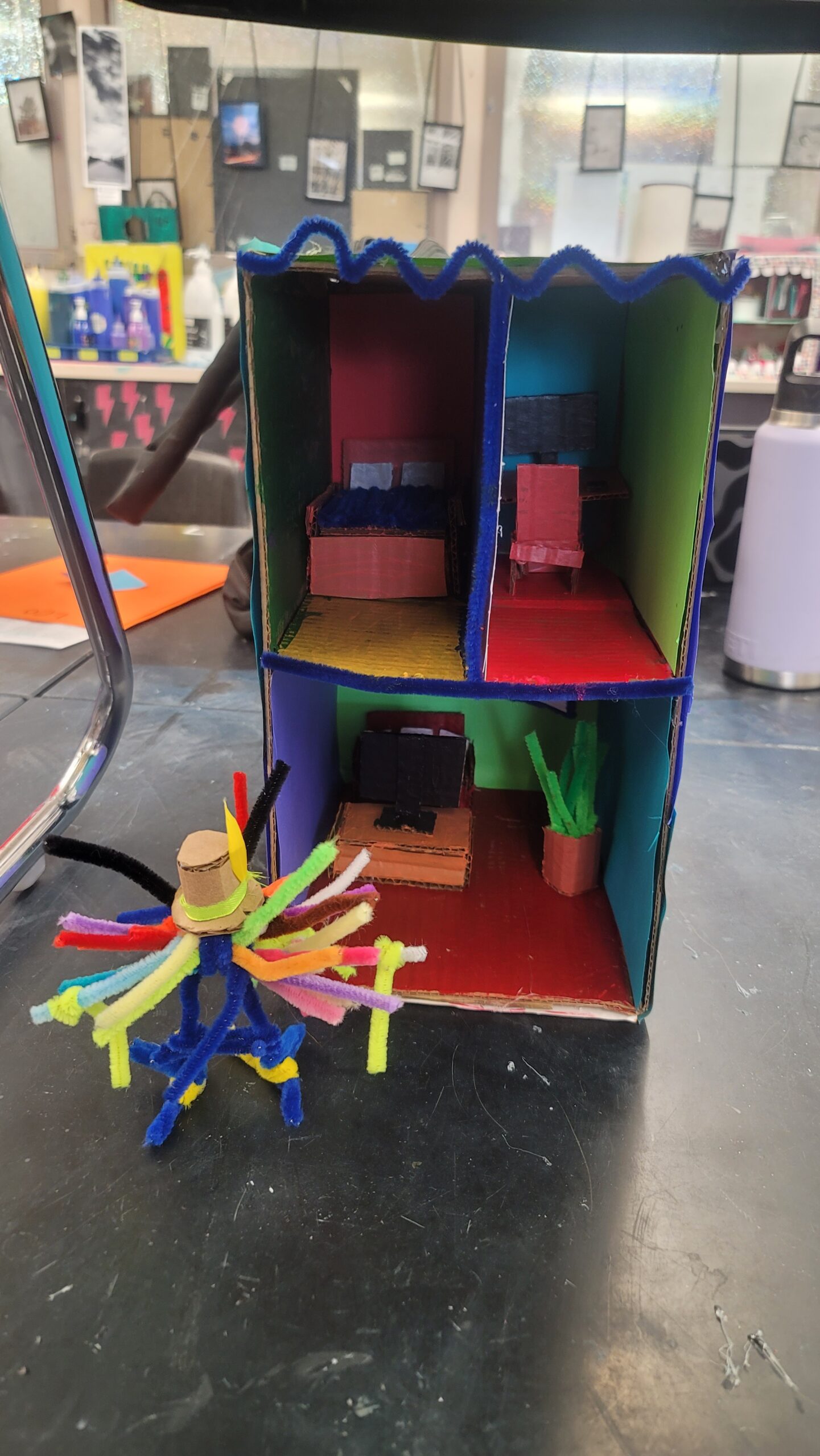
hadley
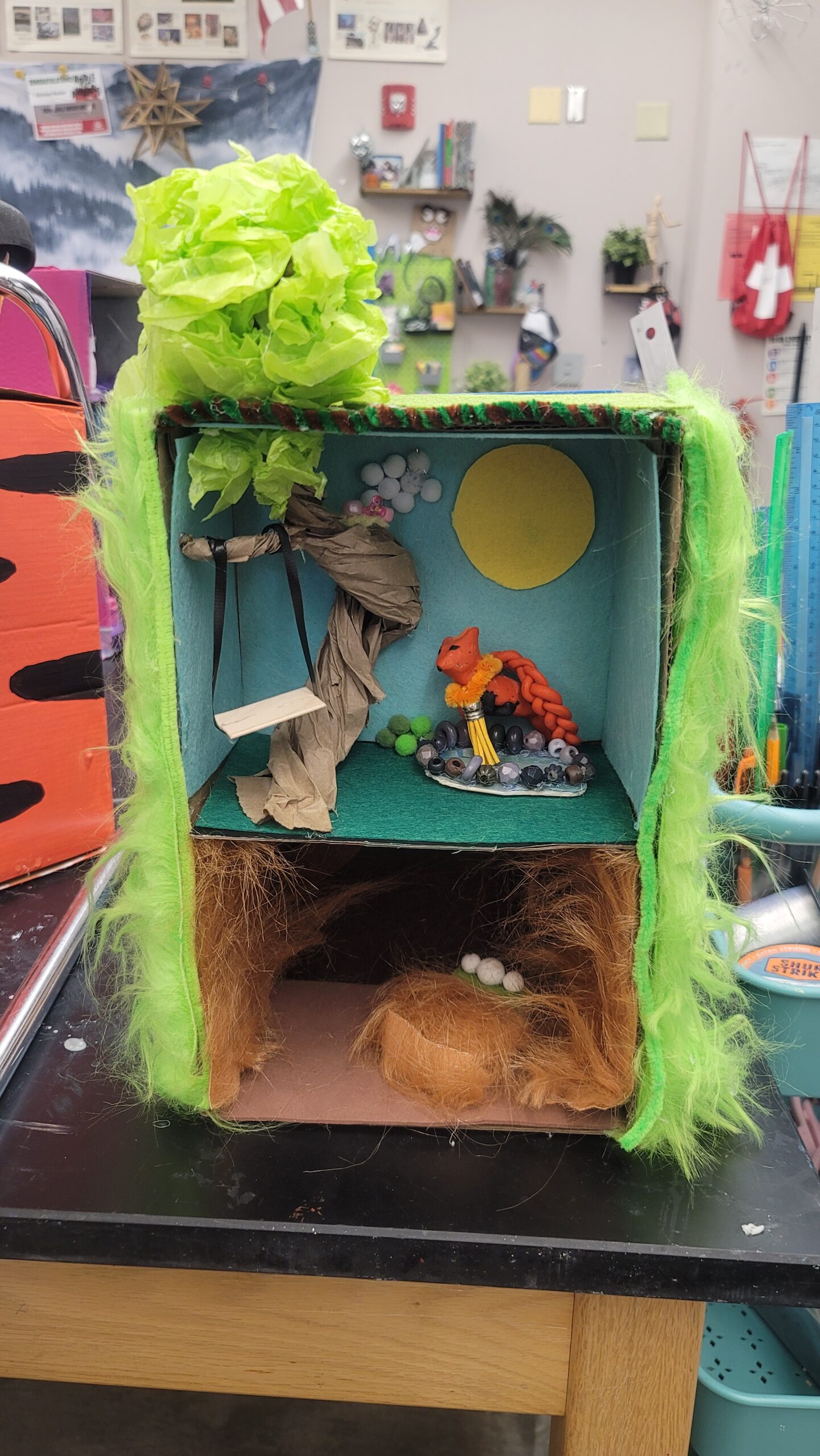
drew
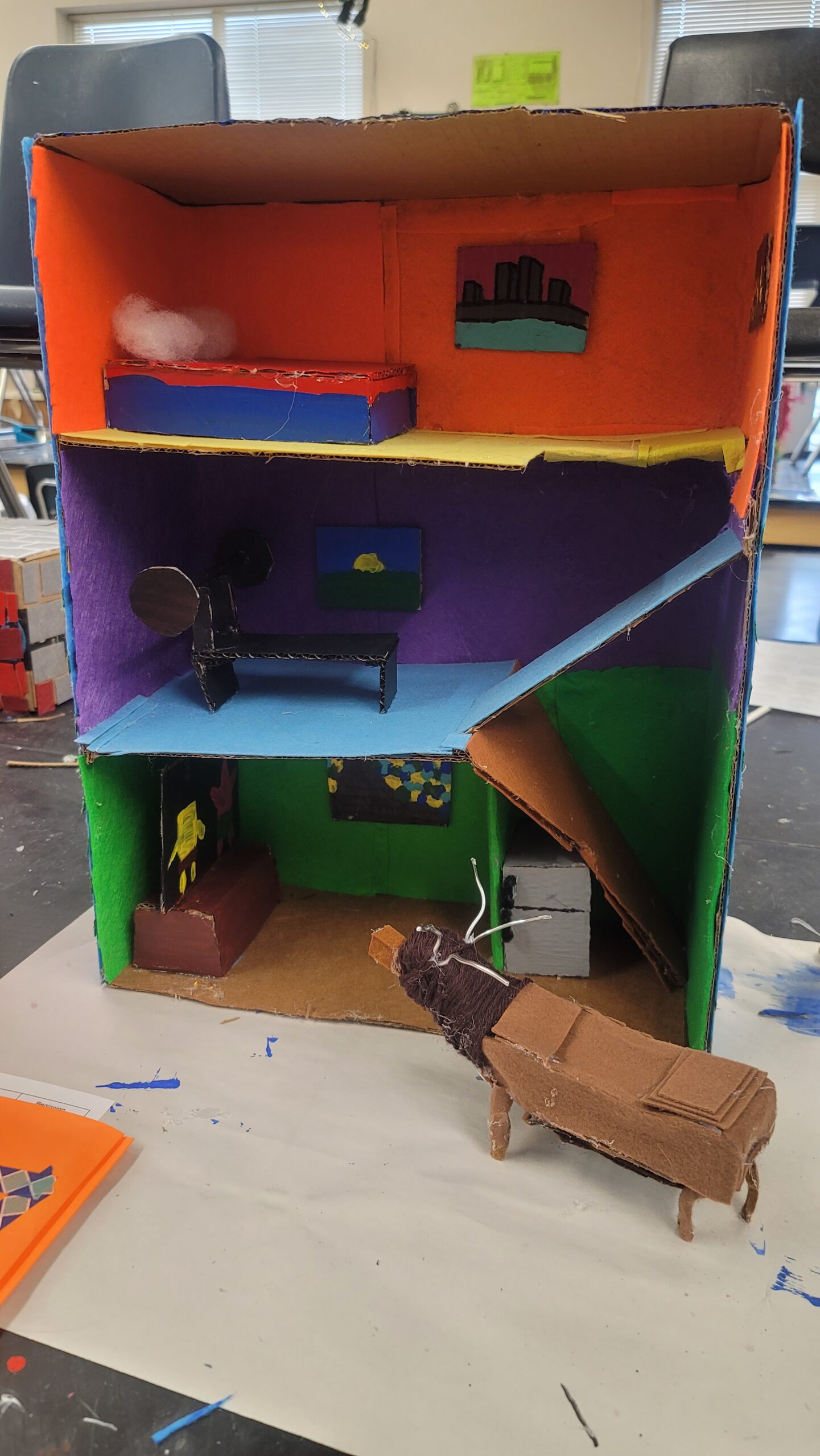
bella
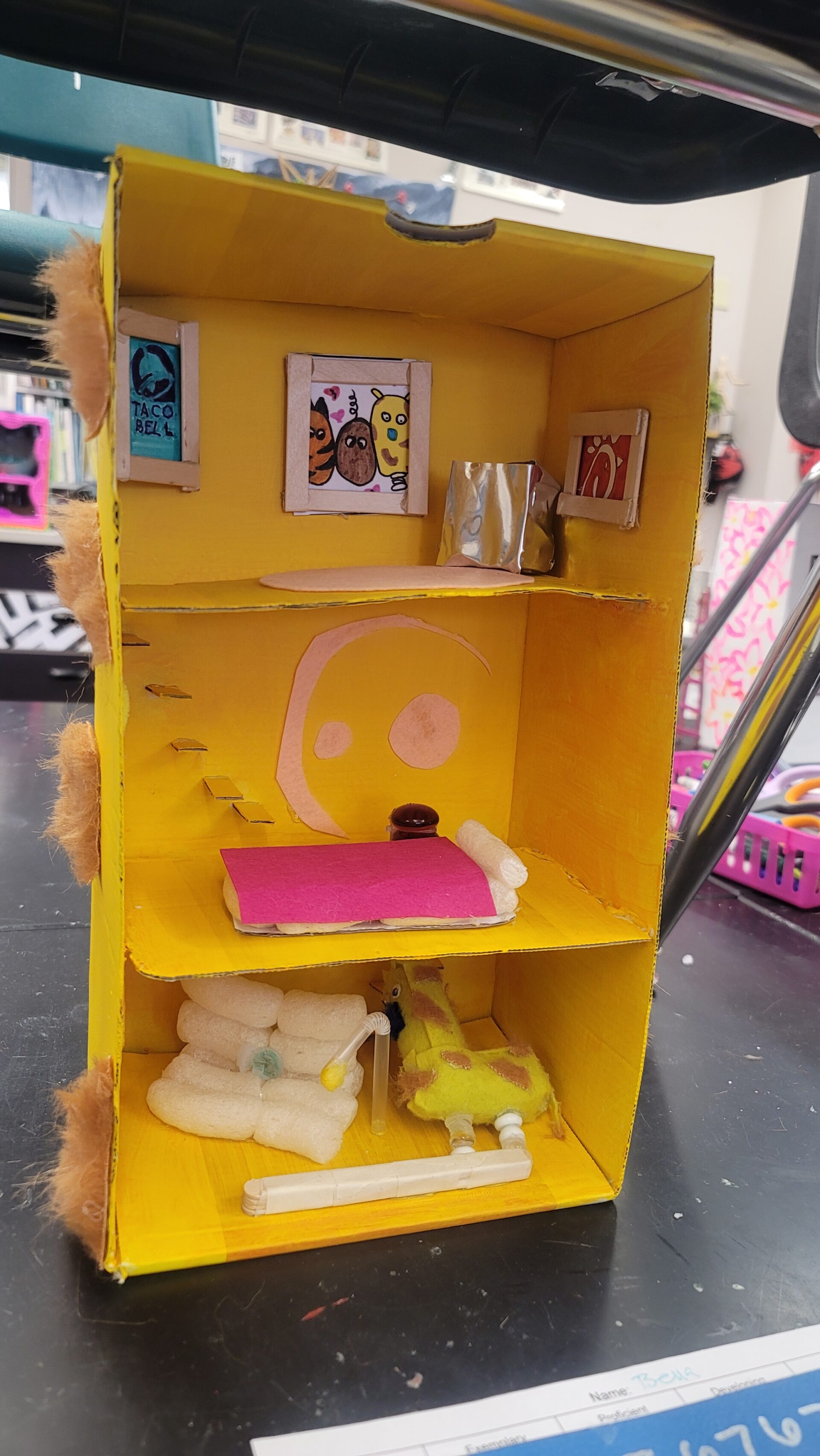
sabrina
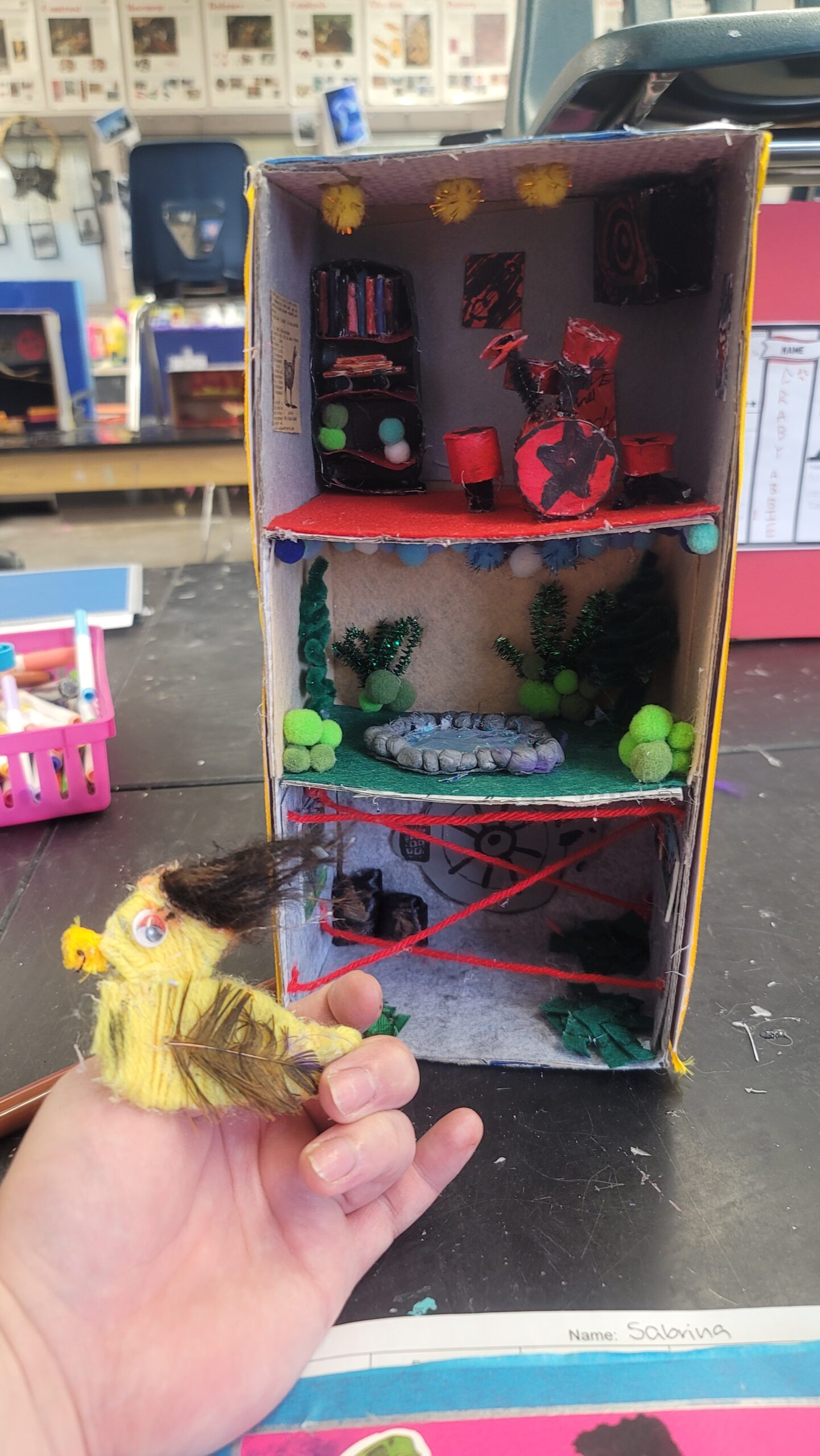
nick
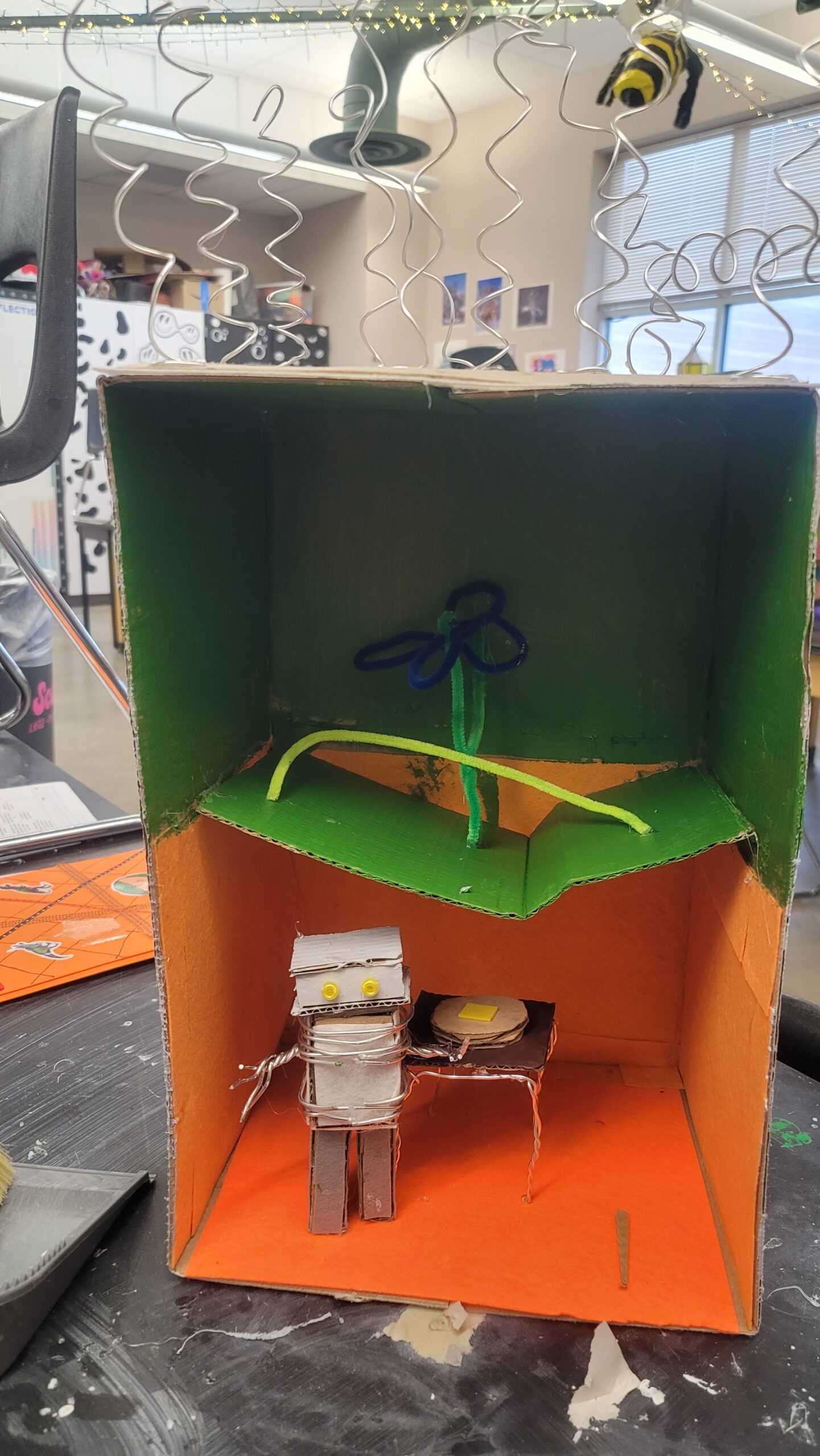
sedona
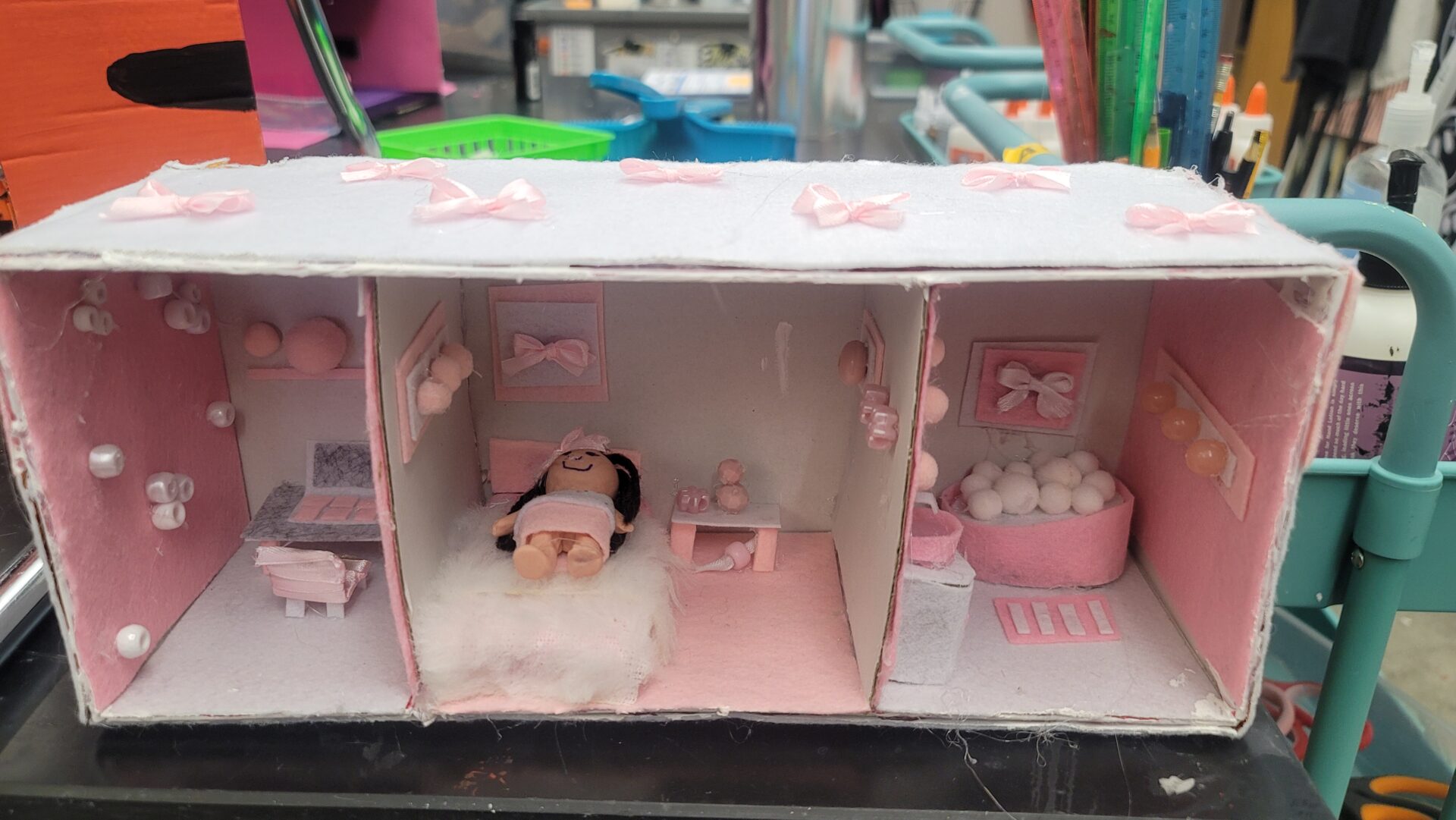
noelle
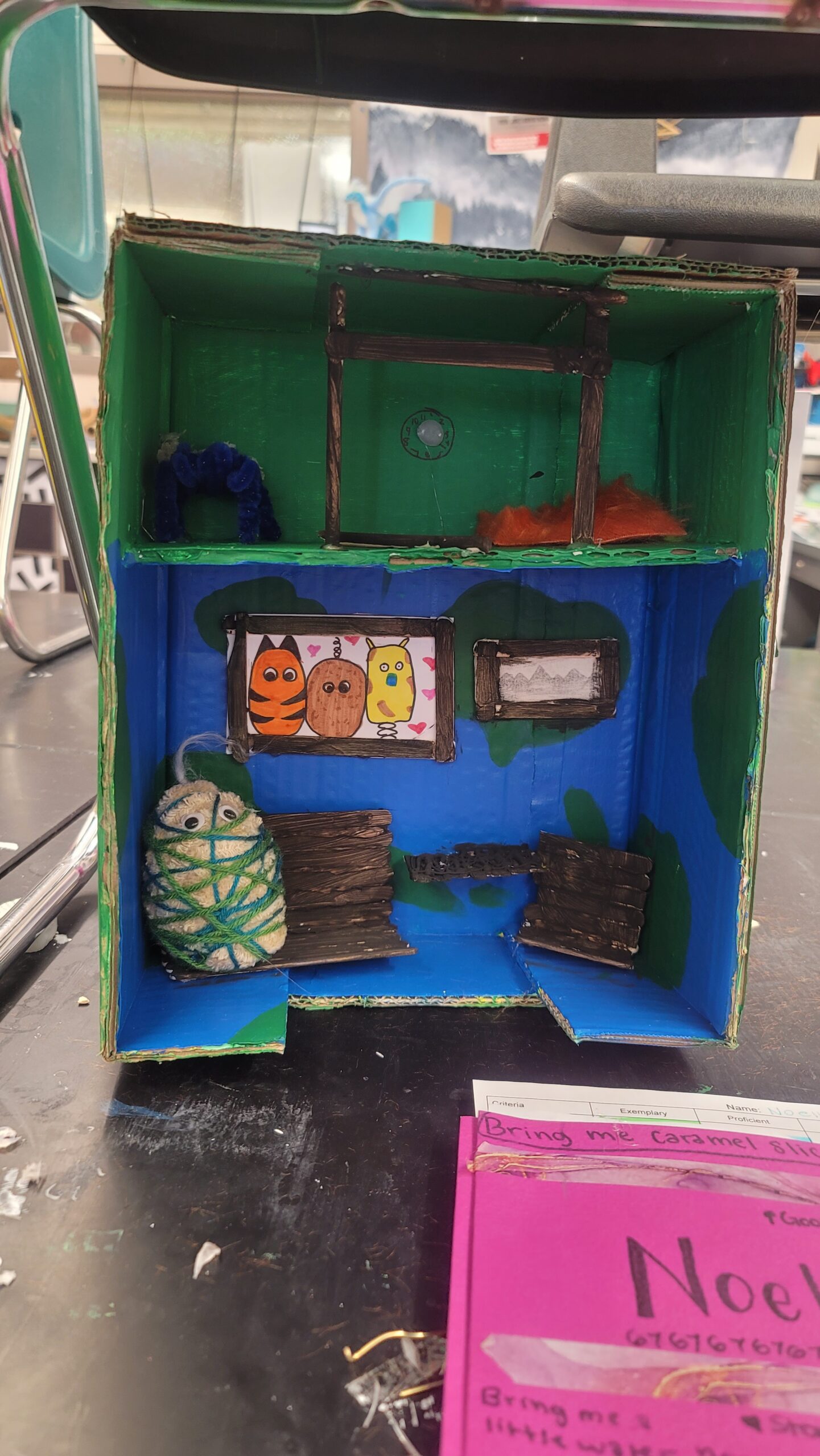
leo
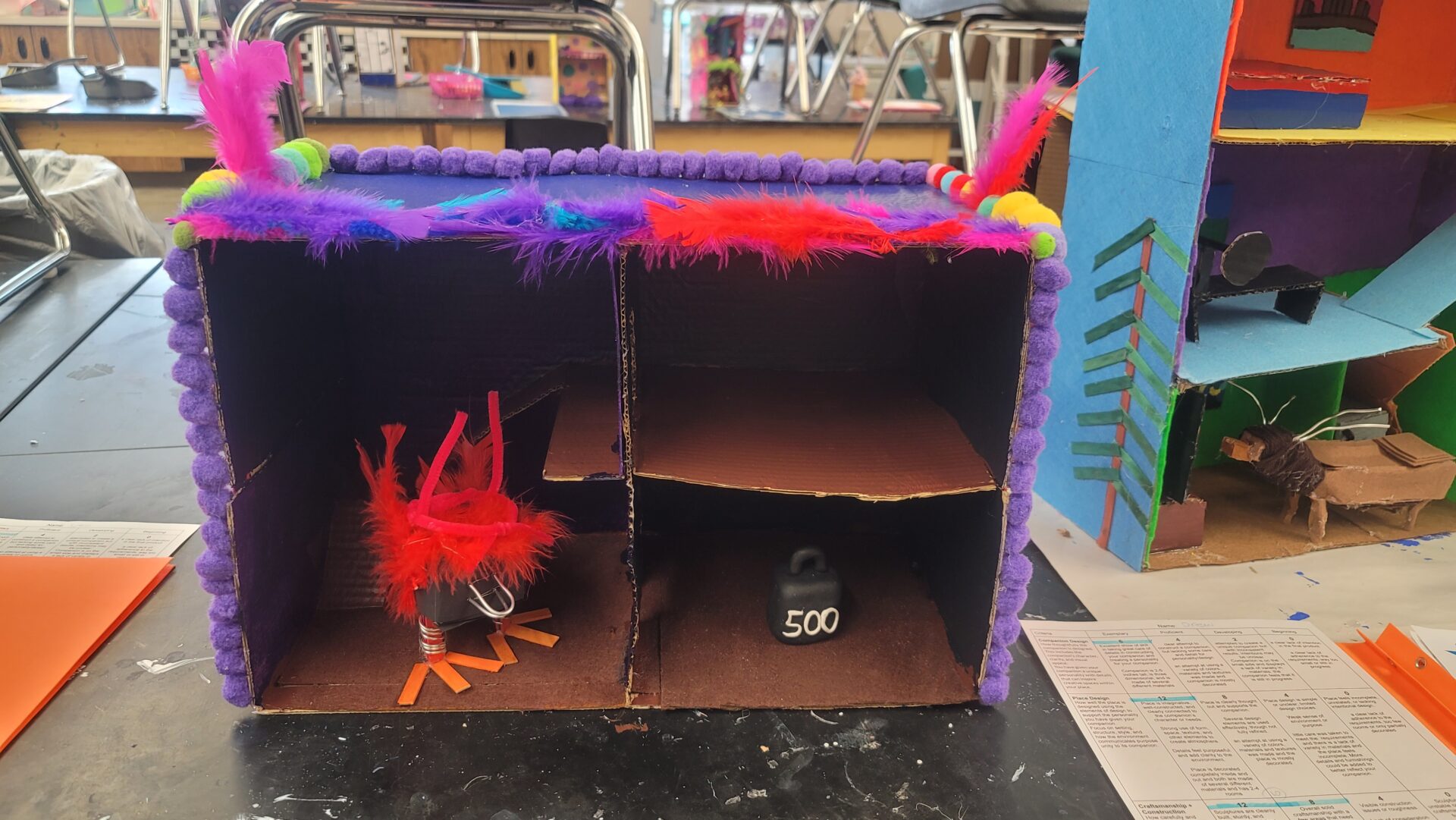
olivia
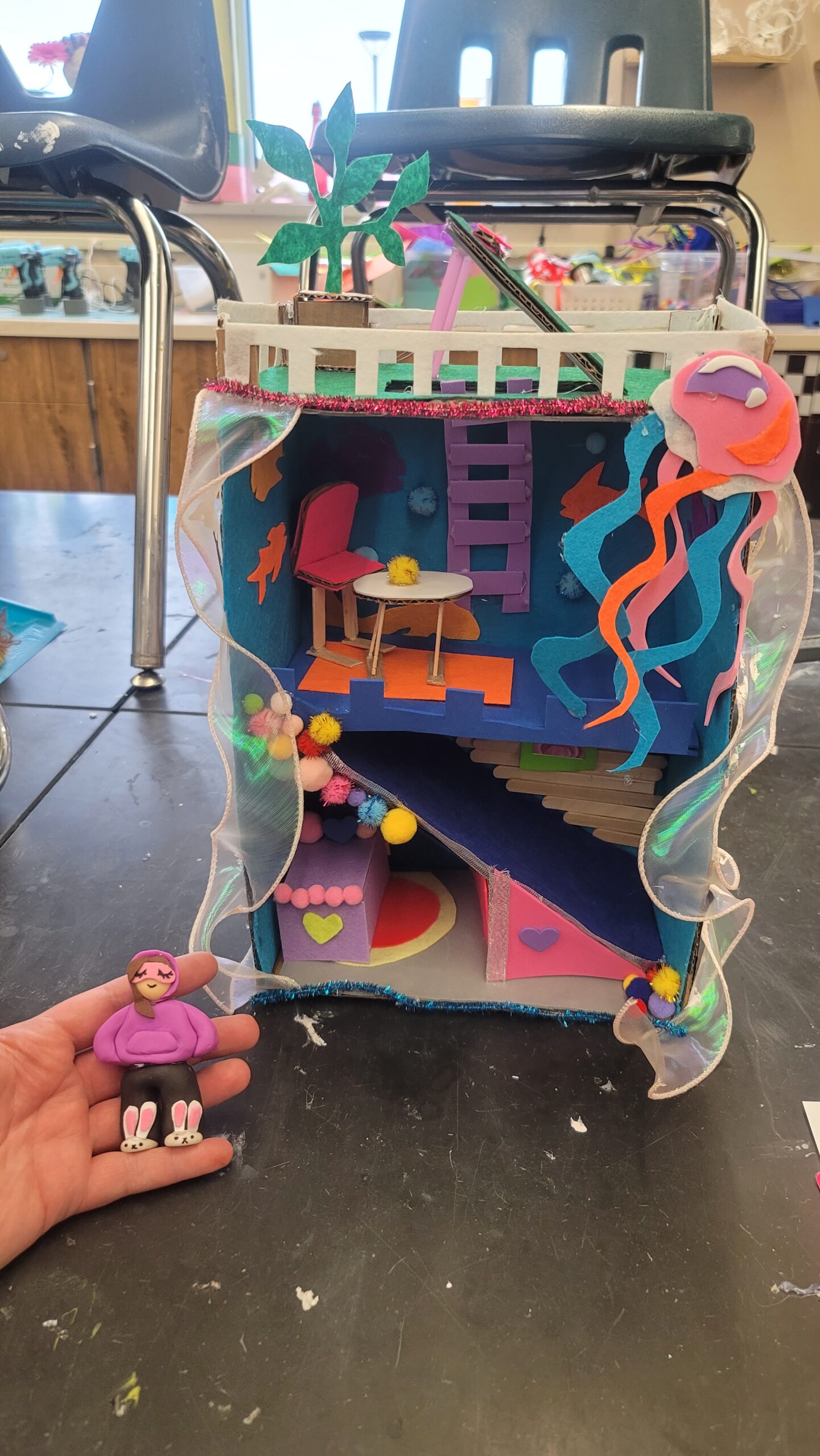
lucy
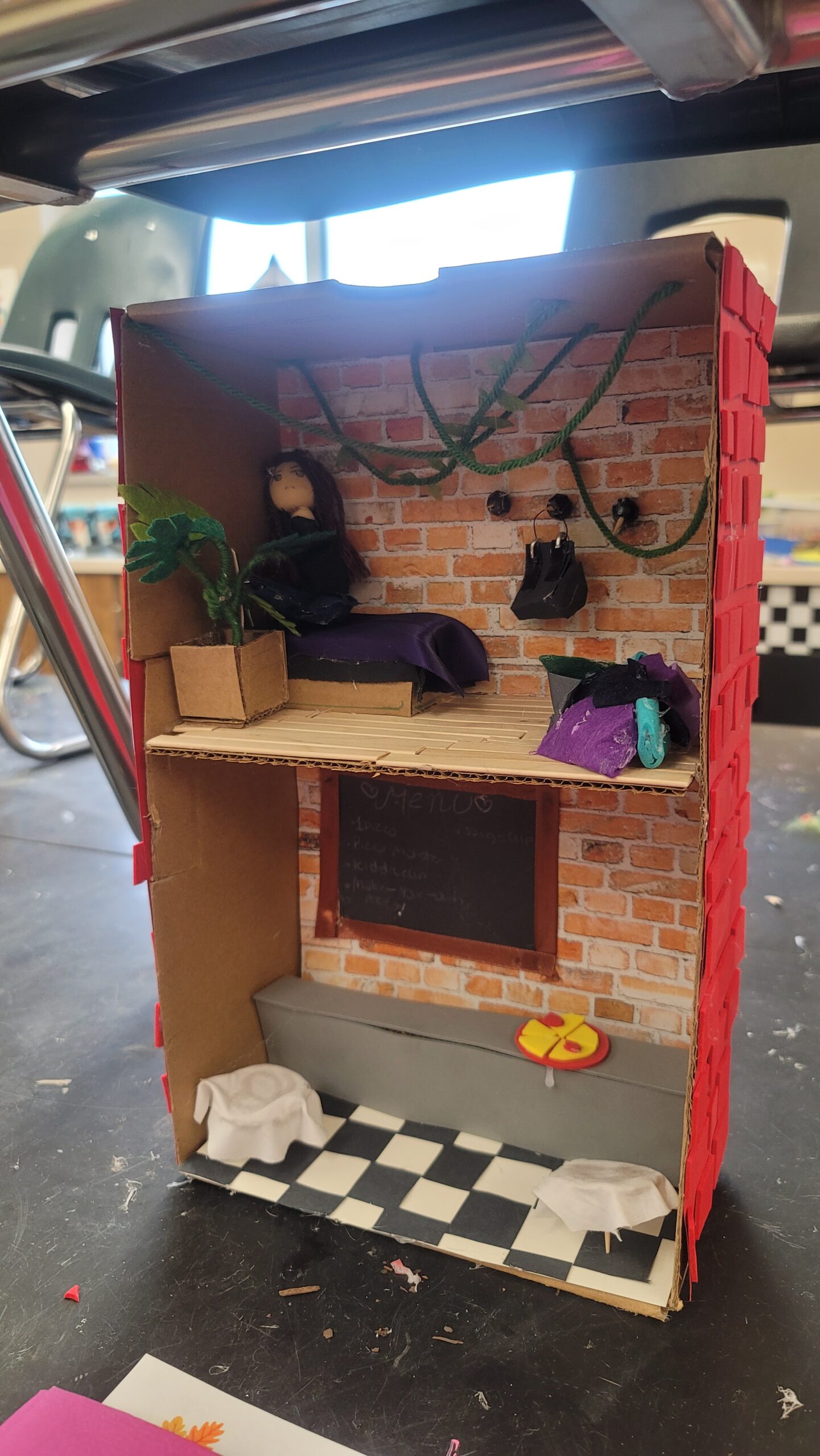
carson
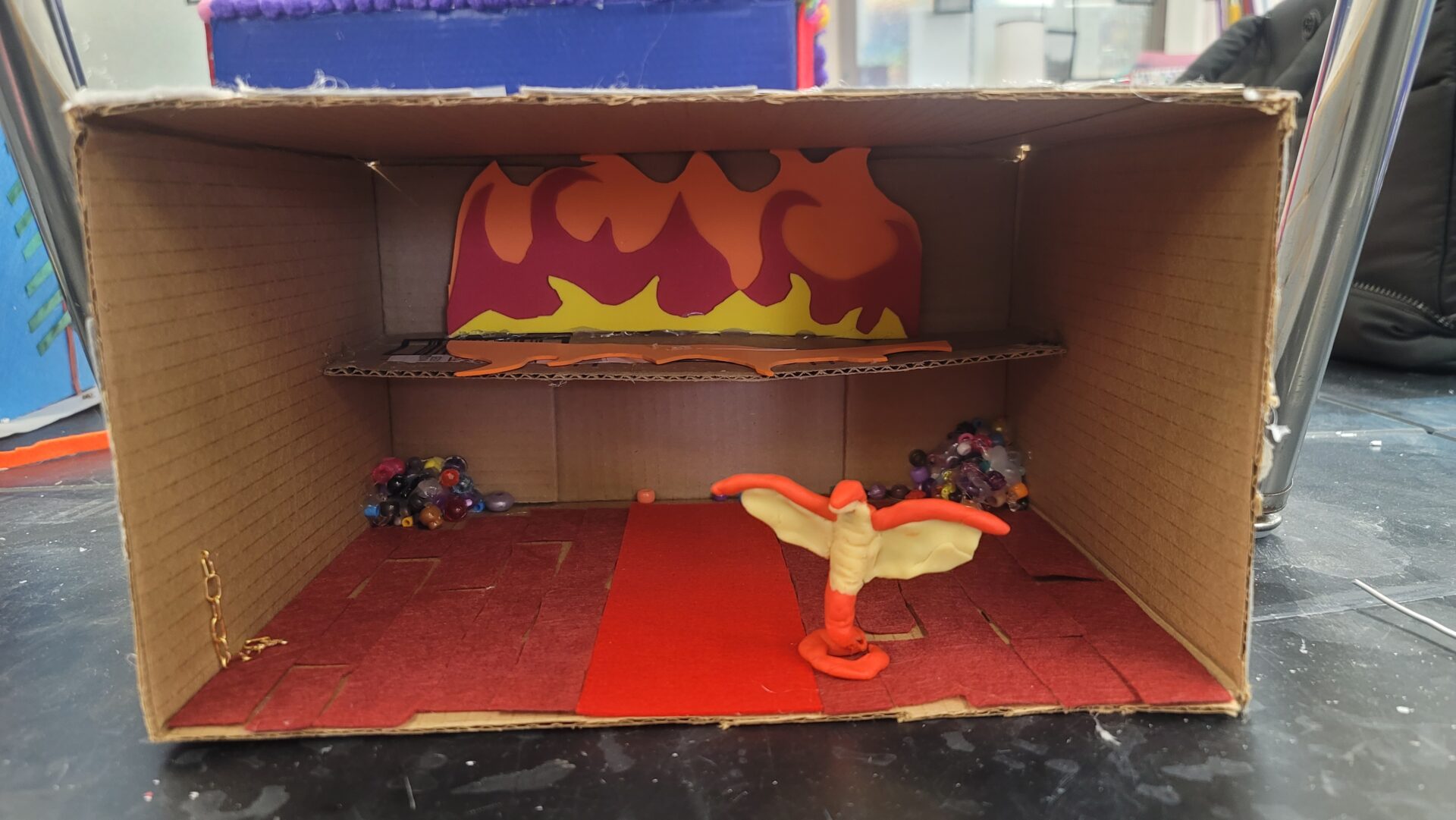
Rylee
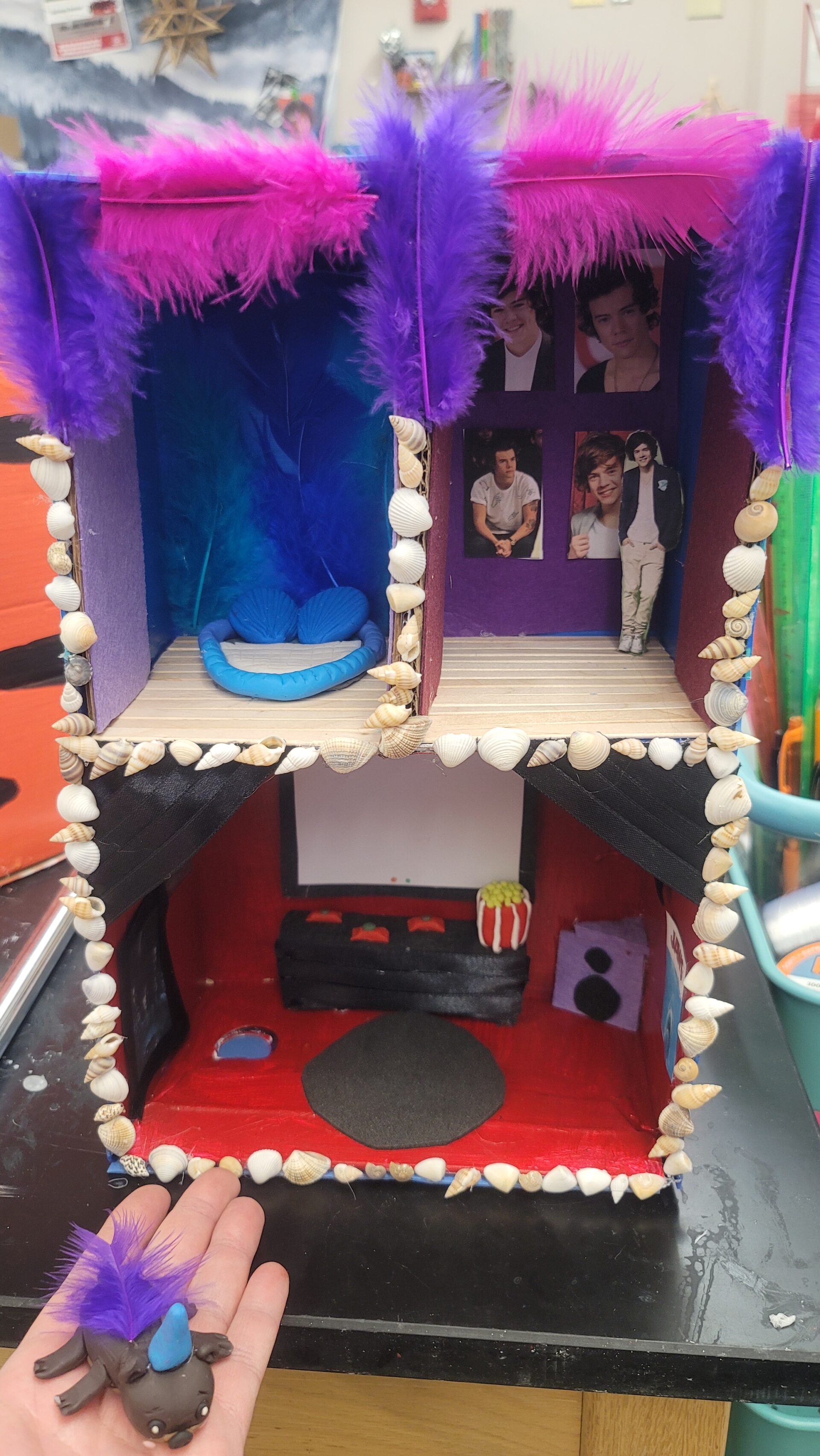
Lauren
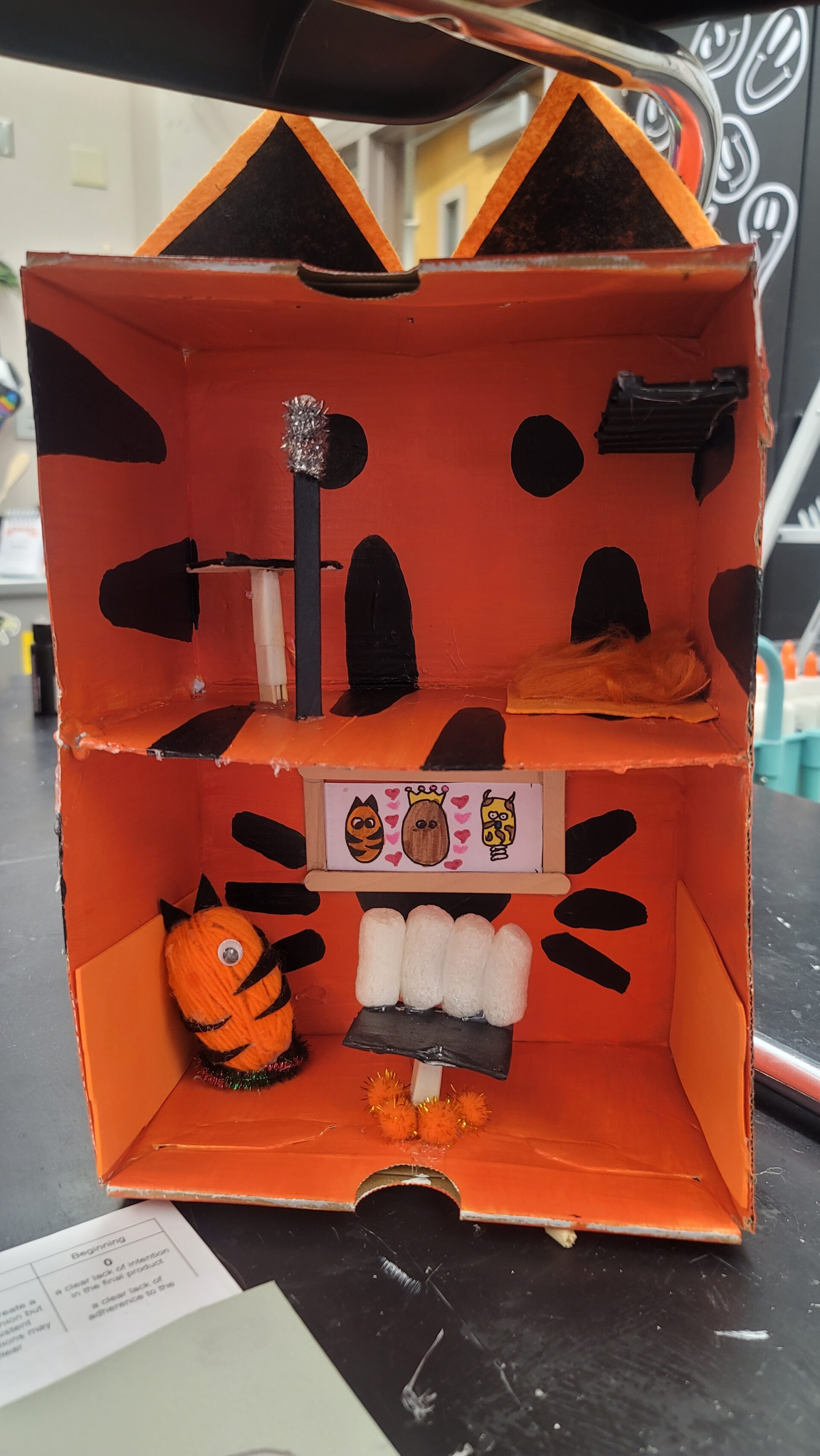
Landon
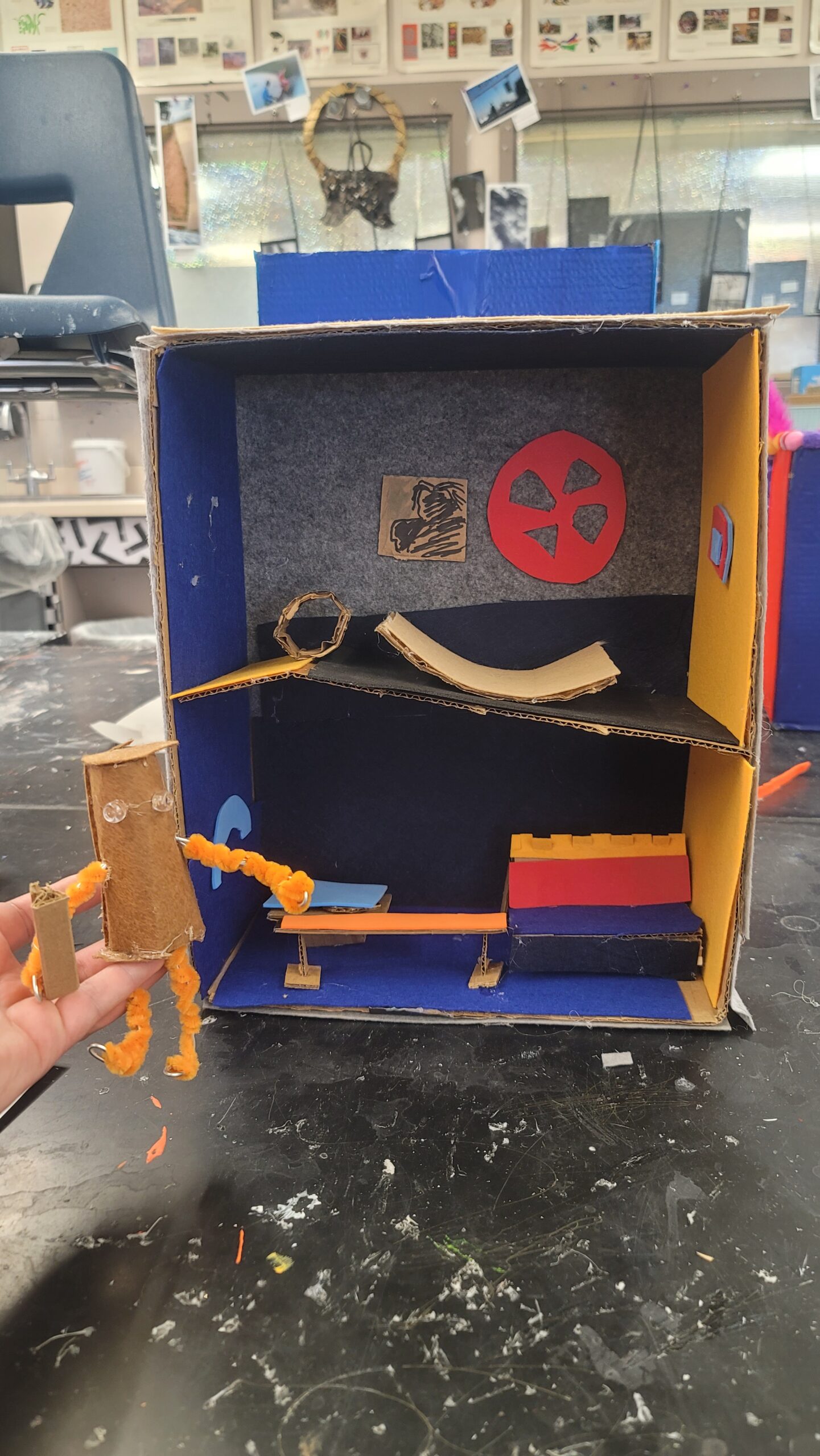
Jolie
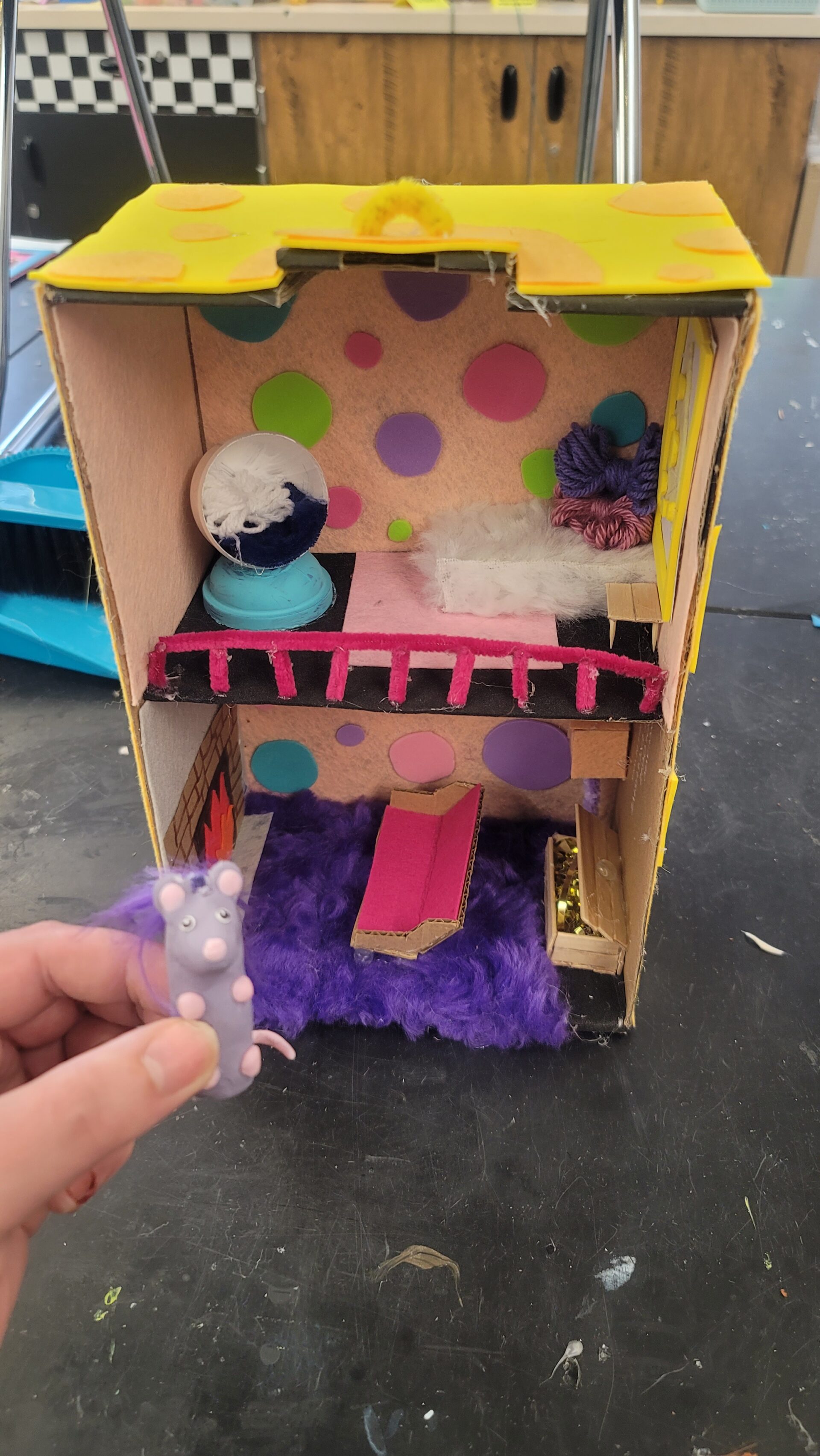
emma
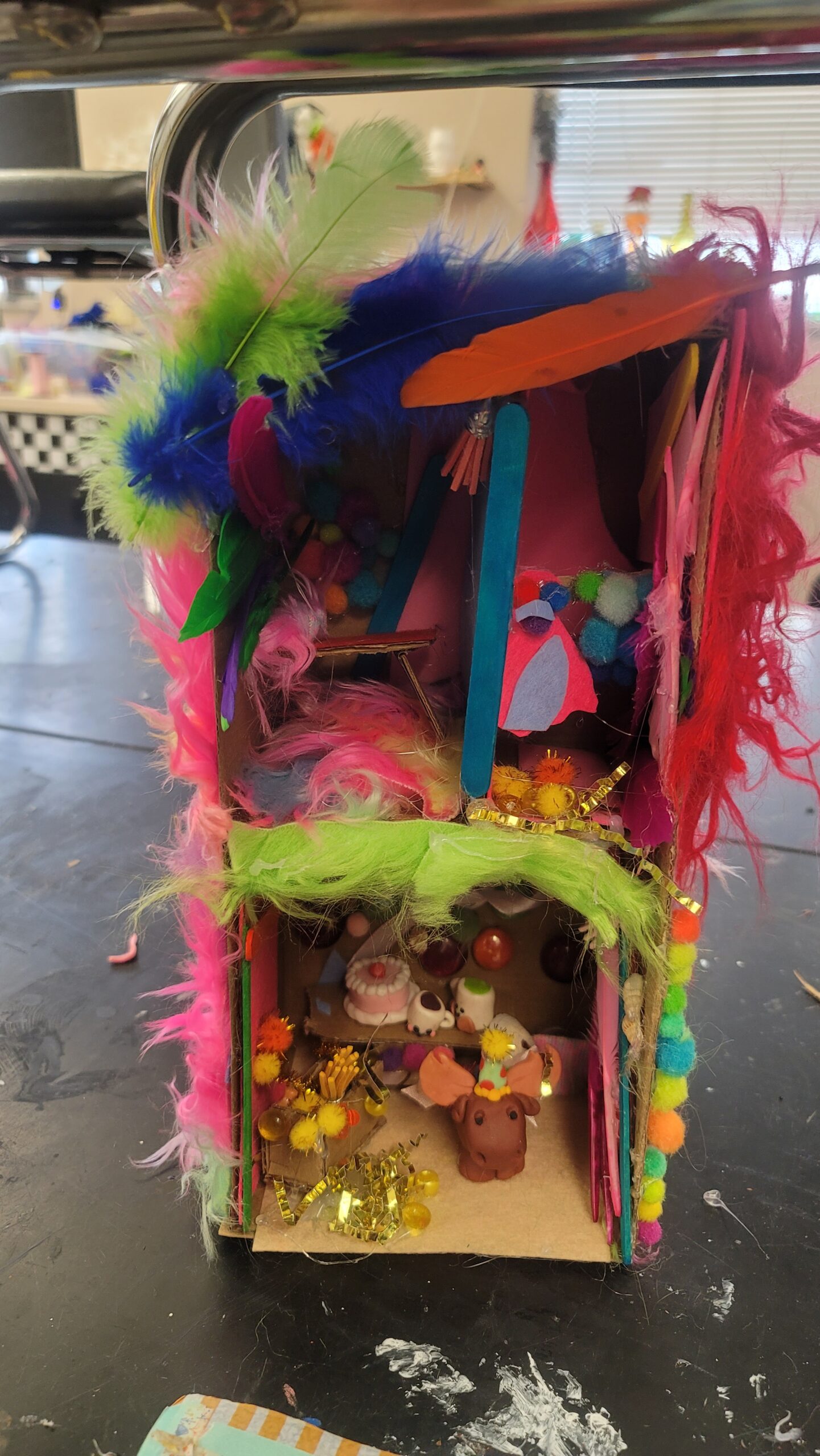
ben
harmony